Why Keto Feels Different After 40 — And What to Focus on Instead
Keto after 40 isn't about stricter rules. Here's why protein, strength, sleep, and consistency often matter more than cutting more carbs.

If keto feels a little different in your 40s, 50s, and beyond than it did when you were younger, you're not imagining it. Many women notice that the straightforward approach of "eat fewer carbs and lose weight" starts to feel incomplete over time — as though something is missing from the picture, even when they are doing everything "right."
The encouraging news is that the answer usually isn't stricter keto. More restriction, fewer calories, and tighter rules often make things harder, not easier. For many women, what actually helps is turning attention toward the basics that support a sustainable lower-carb lifestyle — protein, movement, sleep, hydration, recovery, and consistency. This article walks through why keto can feel different after 40 and what to focus on instead.
Why Can Keto Feel Different After 40?
Several things can shift with age, and these changes can influence how a lower-carb way of eating feels in your body. In general terms, that can include changes in body composition, muscle mass, activity levels, sleep, stress, appetite, recovery, and hormonal transitions. None of these happen in isolation, and they tend to interact with one another.
It's also important to say clearly that experiences vary a great deal. These changes are not the same for every woman, and they don't follow a fixed timeline. Two people the same age can have very different experiences with energy, hunger, and progress on the same general approach. That's normal, and it's exactly why a rigid, one-size-fits-all version of keto rarely fits well over the long run. The goal is to understand the general patterns so you can tune your approach to your own life — not to compare yourself to someone else's results.
1. Protein Deserves More Attention
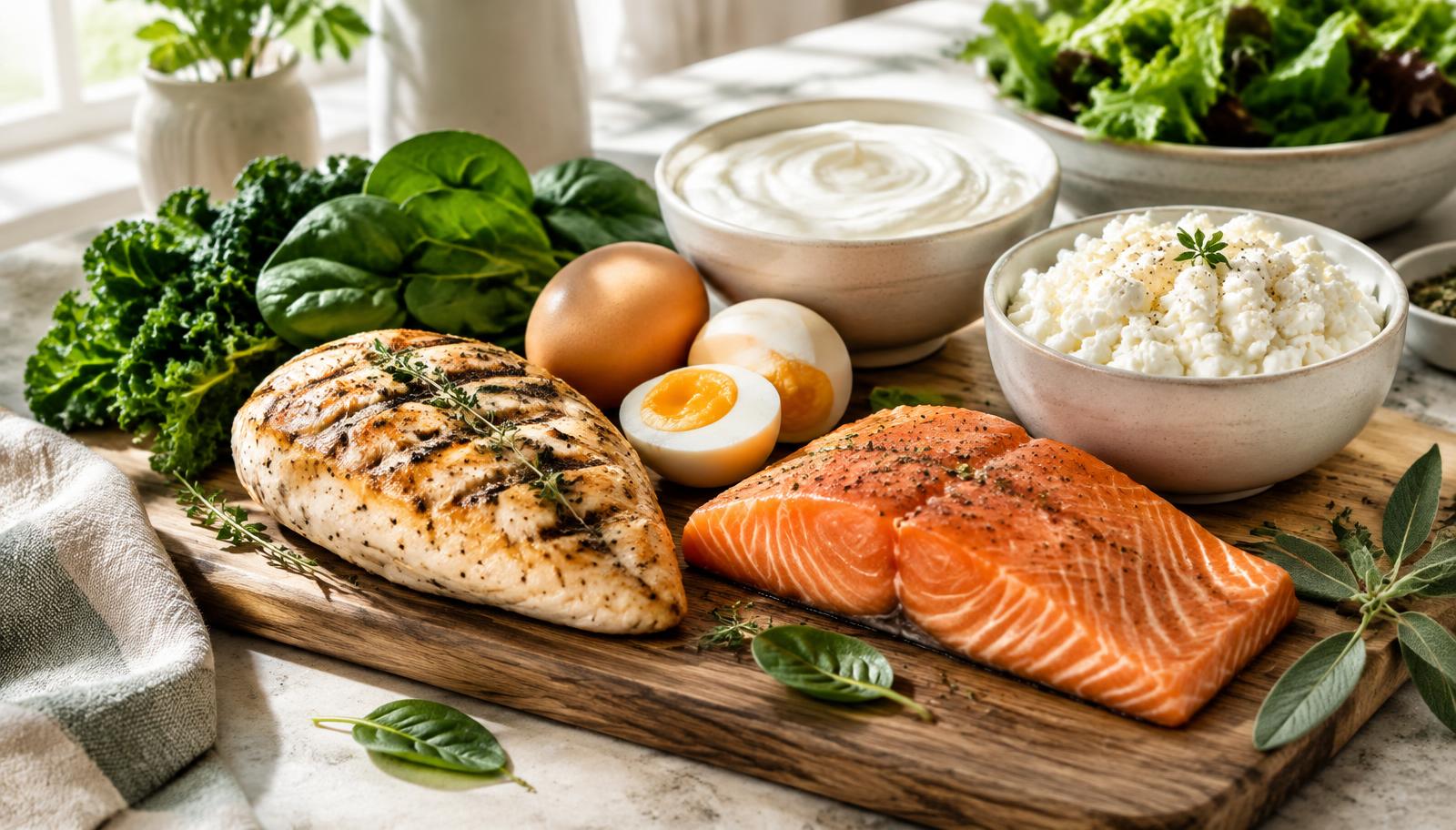
As women age, protein becomes a more important part of the conversation. It's not a magic lever, but it supports maintaining muscle, recovery after activity, and satisfying meals. Age-related changes in muscle are gradual and influenced by many factors, including activity, nutrition, health, and hormonal changes; they do not happen the same way for everyone.
A simple, practical approach is to think "protein first" when you build a meal — start with a solid protein source, then add vegetables and a little fat. You don't need to weigh everything or hit one rigid number that applies to everyone. Individual needs vary based on your size, activity, and goals, and a steady habit of protein at every meal usually gets you most of the way there.
Practical examples of protein-centered meals include:
- Eggs with avocado and vegetables
- Greek yogurt with berries and seeds
- Chicken salad with greens and olive-oil dressing
- Taco bowls with ground beef, cheese, and salsa
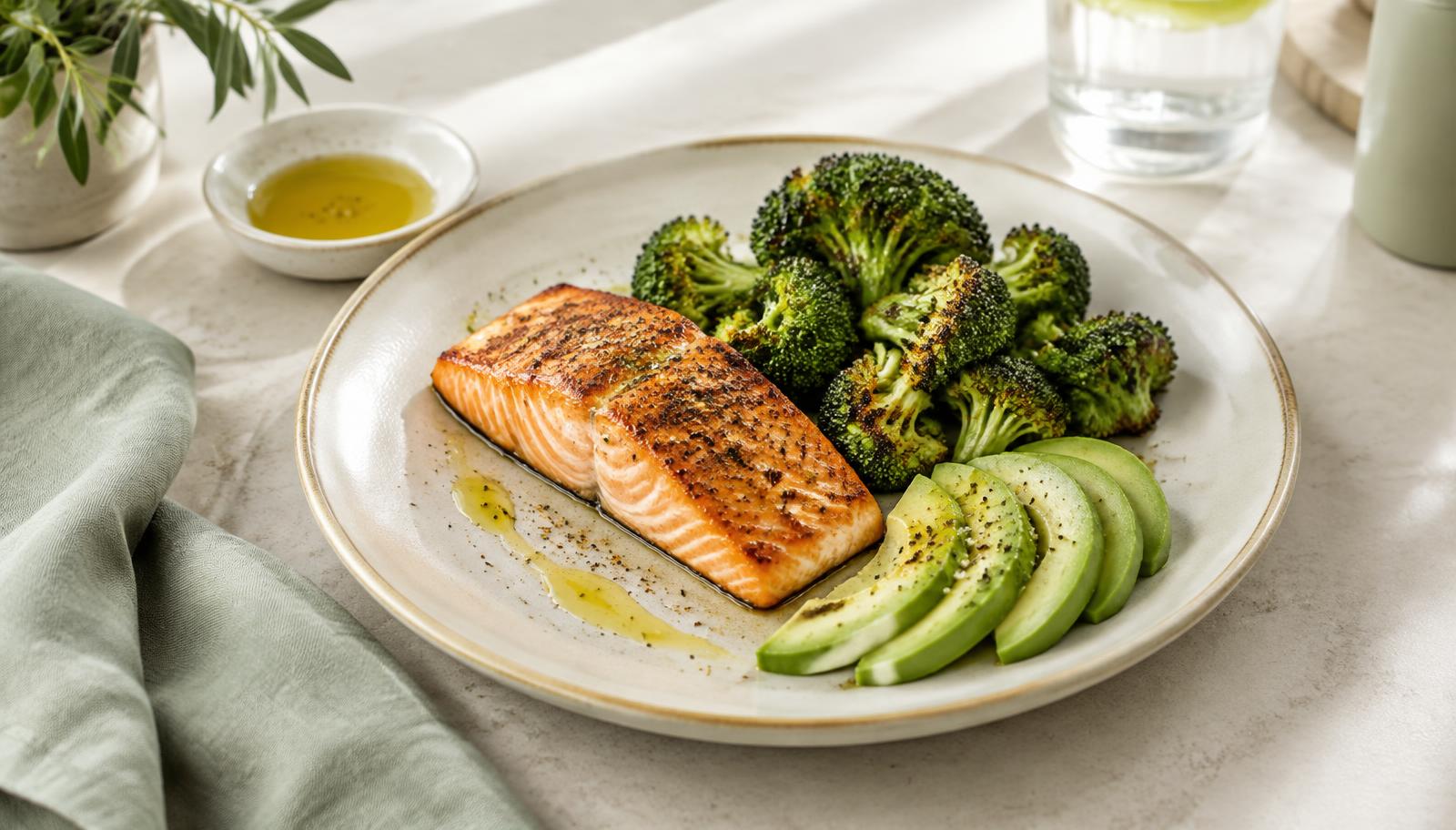
- Salmon with roasted vegetables
- Ground beef skillet meals with peppers and zucchini
None of these need to be complicated. The point is simply to anchor each meal around protein so the rest of the plate falls into place more easily.
2. Strength Training Matters Alongside Keto
Lower-carb eating is only one part of a healthy lifestyle, and what you do with your body matters at least as much as what you eat. Resistance or strength-based movement can be especially valuable as people get older, because it helps maintain muscle and everyday function — the kind of strength that makes carrying groceries, playing with grandchildren, and getting up from the floor feel easy rather than effortful.
The best part is that you don't need intense gym workouts to benefit from getting stronger. Accessible options work well:
- Bodyweight exercises — squats, wall push-ups, step-ups, and planks
- Resistance bands — inexpensive, gentle on joints, and easy to use at home
- Light dumbbells — a simple pair opens up dozens of useful movements
- Basic home workouts — 15 to 20 minutes, two or three times a week
Someone does not need to train like an athlete to benefit. Steady, modest strength work, done consistently, supports the muscle and function that make a lower-carb lifestyle feel sustainable rather than draining. Movement and keto work best as partners, not competitors.
3. Sleep Can Affect How Keto Feels
Poor sleep can quietly make healthy eating feel harder. Research links insufficient or disrupted sleep with changes in appetite regulation, energy, mood, and motivation, although individual responses vary. If a normally easy way of eating feels harder after a restless night, that isn't a character flaw.
Practical sleep habits tend to help more than elaborate protocols:
- A consistent bedtime, even on weekends
- Reducing late-night screen time, or using a gentle wind-down instead
- Keeping the bedroom cool, dark, and comfortable
- Maintaining a simple evening routine that signals it's time to rest
It's worth being clear: improved sleep supports how you feel and how consistently you can eat well, but it doesn't guarantee fat loss or any specific outcome. Treat sleep as a foundation that makes everything else easier, not as a quick fix.
4. Stress Can Make Consistency Harder
Stress can affect eating habits, appetite, sleep, and motivation in ways that quietly undermine consistency. When life feels heavy, the meals that usually feel easy can start to feel like just one more thing — and that's a very normal response, not a sign of failure.
Practical, lifestyle-oriented stress-management habits tend to help more than trying to eliminate stress entirely:
- Walking outdoors, even for a short stretch
- Quiet time or a few minutes of stillness
- Prayer or reflection, in whatever form is meaningful to you
- Gentle stretching or simple breathing exercises
- Reducing unnecessary complexity and saying no to one more thing
The aim here is lifestyle-oriented, not medical. Small, repeatable habits that lower the volume on stress tend to make consistent eating feel more natural — and they're worth protecting even when progress feels slow.
5. Hydration and Electrolytes May Need More Attention
Lowering carbohydrate intake can initially cause the body to release more stored water. That's a normal part of the early adjustment, and it's one reason the first week or two can feel a little different — lighter, sometimes less energized, occasionally headachy. Along with that water, the body also loses some sodium, potassium, and magnesium.
That's why hydration and adequate dietary sources of these minerals matter, especially early on. Drinking water consistently through the day and lightly salting food to taste usually covers most of what you need. Food-first sources are a sensible place to start:
- Sodium — a pinch of salt on meals, broth, or salted nuts
- Potassium — avocado, leafy greens, mushrooms, and nuts
- Magnesium — pumpkin seeds, almonds, spinach, and dark chocolate
There's no need for excessive electrolyte supplementation or megadoses. Simple, steady habits keep you feeling good without turning hydration into a complicated project.
6. You May Not Need to Eat Less — You May Need Better Meals
When progress feels slow, it's tempting to respond by continually eating less, skipping meals, or making keto more restrictive. That instinct is understandable, but it often backfires — leaving you tired, hungry, and less consistent, which makes the whole approach harder to sustain.
A more helpful reframe is to focus on building satisfying meals rather than shrinking them. Build your plate around:
- Protein — the anchor of every meal
- Lower-carb vegetables — for volume, fiber, and satisfaction
- Appropriate fats — enough to feel satisfied, not so much that meals feel heavy
- Minimally processed foods — simple ingredients you recognize
Nourishment and consistency almost always beat aggressive restriction. A meal that leaves you satisfied is a meal you can repeat next week — and repeatability is what actually drives long-term results.
7. The Scale Is Only One Measure of Progress
Body weight can fluctuate for many reasons that have nothing to do with fat — hydration, hormones, sleep, stress, and the normal rhythm of digestion all move the number around from day to day. If the scale is your only measure of progress, it's easy to feel discouraged even when things are going well.
It helps to notice other markers too:
- Energy — how steady you feel through the day
- Strength — whether daily tasks feel easier
- How clothing fits — often a more honest signal than the scale
- Meal consistency — how often you're eating meals you planned
- Cravings — whether they're easing over time
- Mobility — how freely you move
- Sleep — whether it's steadier and more restful
- Overall habits — the quiet pattern of your days
No one can promise specific weight loss, and anyone who does isn't being honest with you. But paying attention to these broader signals tends to give a much kinder, more accurate picture of real progress.
What About Menopause and Keto?
Hormonal transitions during perimenopause and menopause can coincide with changes in body composition, sleep, appetite, and energy. Some women find that a lower-carb way of eating fits well during this time; others find their experience varies. That's expected, because these transitions are highly individual.
It's important to be clear about what keto is and isn't. Keto is not a proven cure for menopause symptoms, and individual responses vary widely. If you're experiencing significant symptoms — disruptive hot flashes, persistent sleep trouble, mood changes, or anything that concerns you — the most supportive step is to discuss them with a qualified healthcare professional who can look at your full picture. Education is helpful, but personalized medical guidance matters far more than any article.
What Should You Focus on Instead of Perfect Keto?
Instead of chasing a perfect version of keto, it often helps to follow a simple, repeatable framework. Here's the Ketoach approach in eight steps:
- Start with protein — anchor every meal around a solid protein source
- Choose lower-carb whole foods most of the time
- Strength train regularly — even short sessions count
- Walk and move often throughout the day
- Stay hydrated — water and a little salt go a long way
- Prioritize sleep and recovery
- Repeat simple meals you enjoy
- Aim for consistency, not perfection
That's it. No complicated rules, no extremes — just a small set of habits you can return to whenever life gets busy. Consistency with a simple plan beats perfection with a complicated one, every time.
A Simple Example Day
Here's one realistic example of how a day might look. This is only an example, not a prescribed meal plan — adjust it freely to your own tastes, schedule, and needs.
- Breakfast — eggs with avocado and sautéed vegetables
- Lunch — a chicken salad bowl with greens, cheese, cucumber, and an olive-oil-based dressing
- Snack if needed — Greek yogurt or cottage cheese with a few berries
- Dinner — salmon or chicken with roasted broccoli and cauliflower
- Movement — a walk plus a short strength or mobility session
Notice that nothing here is elaborate or restrictive. It's a day of simple, satisfying meals built around protein and vegetables — exactly the kind of day you could repeat next week with small variations.
The Ketoach Approach After 40
Ketoach is not about eating perfectly, chasing extreme ketone numbers, or constantly starting over. It's about making lower-carb eating simpler, practical, and realistic enough to fit real life — the busy weeks, the tired evenings, the seasons when everything feels like a lot. You don't have to be perfect. You just have to keep showing up with simple, repeatable habits.
A brief note on safety: people with diabetes, kidney disease, or cardiovascular concerns, those taking glucose- or blood-pressure-lowering medications, pregnant or breastfeeding women, or anyone with significant medical conditions should discuss major dietary changes with a qualified healthcare professional before starting. The information here is educational and general, not medical advice, and your individual needs may call for specific direction.
A few shorter reads on these topics:
Conclusion
Keto after 40 does not necessarily require more restriction. For many women, a better approach is to pay more attention to protein, muscle, movement, sleep, hydration, recovery, and consistency. When the basics are in place, the way of eating tends to feel steadier, more satisfying, and far more sustainable — and that's what makes it possible to keep going for the long run. You don't need a stricter plan. You need a simpler one you can actually repeat.
Sources
Want a simpler way to get started? Download the free Keto After 40 Starter Kit.
Get the Free Starter KitKeep going with Ketoach
Want ongoing keto support? Explore the Ketoach Community.
Explore Ketoach Community