Is Soy Sauce Keto? What to Know About Carbs, Ingredients, and Alternatives
Plain soy sauce is usually low in carbs — but labels matter. Here's what to know about soy sauce, tamari, and coconut aminos on keto.
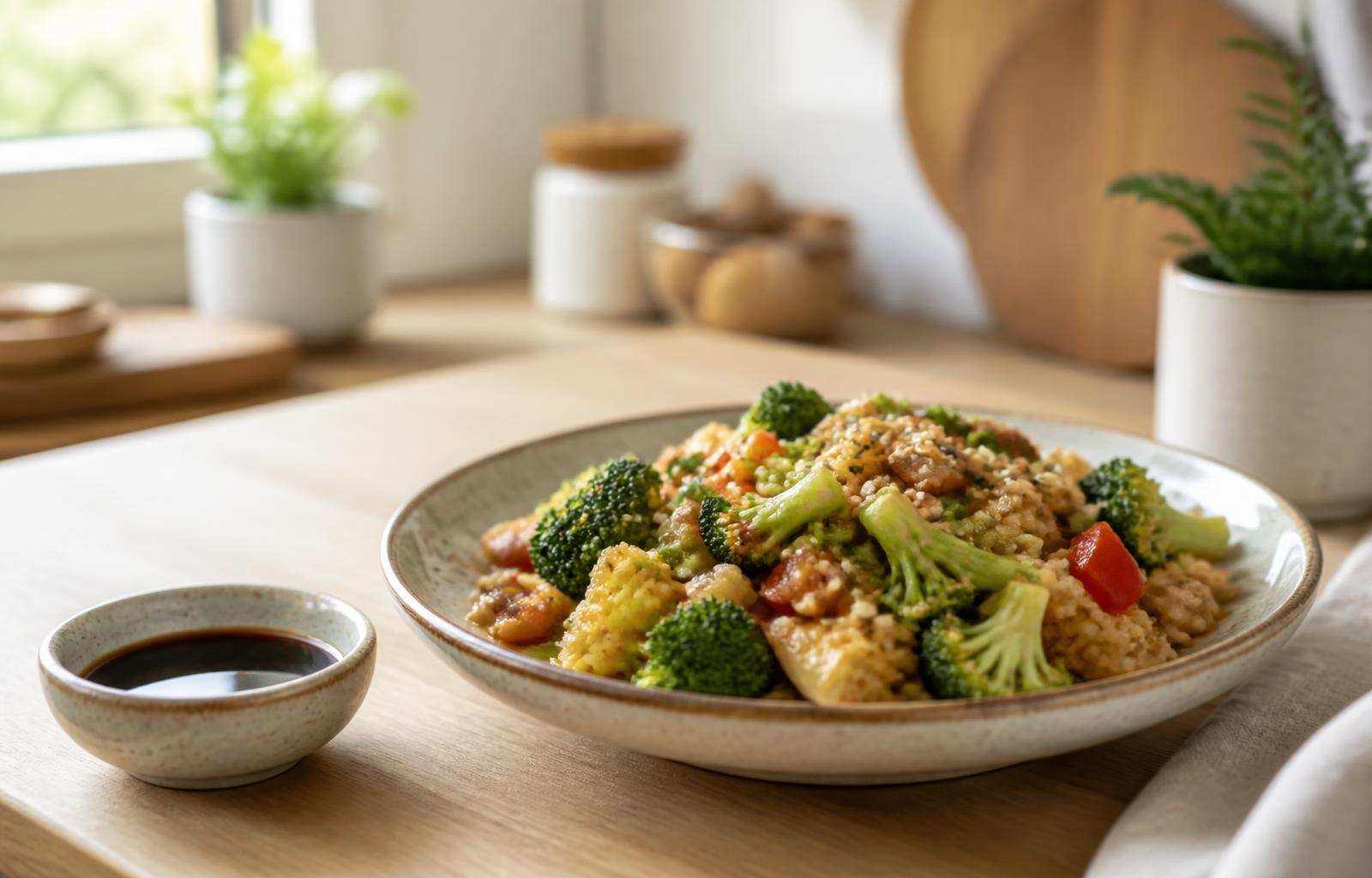
Soy sauce is one of those pantry staples that shows up in countless kitchens. It adds a savory, salty depth to stir-fries, marinades, and dipping sauces, and a little goes a long way. So it's natural that many people following keto wonder whether soy sauce fits into a lower-carb way of eating. The short answer is reassuring: plain soy sauce is generally low in carbohydrates and can usually fit into keto in reasonable portions. The longer answer is that sauces and brands vary more than you might expect, so a little label-reading goes a long way.
This article walks through what's in soy sauce, how many carbs it actually contains, how it compares to alternatives like tamari and coconut aminos, where hidden sugar tends to hide in Asian-style sauces, and how to use soy sauce practically on keto — without overcomplicating things.
Is Soy Sauce Keto-Friendly?
For the most part, yes. Traditional soy sauce is brewed from soybeans, wheat, salt, and water, and the fermentation process produces a condiment that's quite low in carbohydrates. A typical serving — about a tablespoon — contains only around one gram of carbohydrate, sometimes less. That's a small enough amount that it fits easily within most keto carb budgets, which usually range from 20 to 50 grams of net carbs per day.
The key word here is reasonable portions. Soy sauce isn't something you'd drink by the cup, and the small amounts used for seasoning a stir-fry or dipping a piece of fish aren't going to derail a keto day. Where people run into trouble is less often with plain soy sauce itself and more with the sweeter, thicker sauces it's sometimes confused with — but we'll come back to that.
How Many Carbs Are in Soy Sauce?
Carb content varies by brand and serving size, so the most reliable approach is to check the nutrition label on the bottle you actually have. As a general guide, a tablespoon of regular soy sauce contains roughly 0.5 to 1.5 grams of total carbohydrate. Light or reduced-sodium versions can differ slightly, and some imported or artisanal brands have their own formulations.
Because the amounts are small, even a couple of tablespoons in a marinade for four servings of food spread those carbs across multiple portions, making the per-serving impact quite low. Still, it's worth glancing at the label rather than assuming — particularly if you're using a larger amount or a brand you haven't checked before.
What Ingredients Are in Soy Sauce?
Traditional soy sauce is made from a short list of ingredients:
- Soybeans — the base that gives soy sauce its savory, umami flavor.
- Wheat — most traditional soy sauces include wheat, which helps with fermentation and contributes to the flavor and color.
- Salt — soy sauce is naturally high in sodium, which acts as both a flavoring and a preservative.
- Water — the liquid base for brewing and fermentation.
Some soy sauces contain wheat, which may matter for people avoiding gluten. The wheat in traditional soy sauce is fermented, so the amount of gluten remaining is usually very low, but if you're strictly gluten-free for medical reasons, a certified gluten-free tamari or a wheat-free soy sauce is the safer choice. This is a personal and health decision rather than a keto-specific one — the carbohydrate content of wheat-containing soy sauce is still low because so little is used per serving.
Is Tamari Keto-Friendly?
Tamari is a Japanese soy sauce that's often made with little to no wheat. Many tamari products are gluten-free, though it's worth checking the label to be sure, as formulations vary. In terms of flavor, tamari is similar to regular soy sauce — slightly richer, less salty, and a touch more mellow — and it's generally just as low in carbohydrates.
For keto purposes, tamari works almost exactly like regular soy sauce. If you prefer a gluten-free option or simply enjoy the deeper flavor, tamari is an easy substitution that won't meaningfully change your carb count. As always, check the label, but most plain tamari is very low in carbs per serving.
What About Coconut Aminos?
Coconut aminos have become a popular soy-free alternative, made from the fermented sap of coconut trees. They're often chosen by people who avoid soy for digestive, allergen, or personal reasons. The flavor is similar to soy sauce but slightly sweeter and less salty.
Here's the thing to watch: coconut aminos can sometimes contain more carbohydrates or sugar than soy sauce. A tablespoon of coconut aminos often contains around 4 to 5 grams of carbohydrate, which is noticeably more than the roughly 1 gram in soy sauce. That doesn't make coconut aminos off-limits on keto — a tablespoon in a stir-fry can still fit — but it does mean the carbs add up faster if you use larger amounts. Check the label, and if you're watching carbs closely, soy sauce or tamari will usually be the lower-carb choice.
Hidden Sugar in Sauces
This is where most keto-related confusion comes in. Plain soy sauce is quite different from the sweet, thick Asian-style sauces that share a similar flavor family. These sauces often contain added sugar and significantly more carbohydrates:
- Teriyaki sauce — traditionally made with soy sauce plus sugar, mirin, and sake; commercial versions can carry 15 grams of carbs or more per tablespoon.
- Sweet chili sauce — built on sugar and chili, often 10 grams of carbs or more per tablespoon.
- Hoisin sauce — a thick, sweet sauce with sugar and starch, usually 5 to 8 grams of carbs per tablespoon.
- Some marinades — bottled Asian-style marinades frequently list sugar or corn syrup among the first ingredients.
The practical takeaway is to treat plain soy sauce and these sweet sauces as two very different things. Soy sauce is a low-carb seasoning; teriyaki, sweet chili, and hoisin are closer to condiments with dessert-level sugar. If you love those flavors, you can often recreate them at home with soy sauce, garlic, ginger, a little sesame oil, and a low-carb sweetener — getting the same taste without the sugar.
How to Use Soy Sauce on Keto
Once you've confirmed your soy sauce is low in carbs, there are countless simple ways to use it. A few practical examples:
- Stir-fries — soy sauce, garlic, ginger, and sesame oil over any combination of meat and low-carb vegetables.
- Cauliflower rice — a splash of soy sauce brings savory depth without carbs.
- Marinades — soy sauce with garlic, ginger, and a little oil makes a quick marinade for beef, chicken, or pork.
- Lettuce wraps — seasoned ground meat with soy sauce, wrapped in crisp lettuce leaves.
- Grilled meat or fish — a light soy-sauce-based brush or marinade adds umami to plain proteins.
- Low-carb vegetable bowls — roasted broccoli, bok choy, or mushrooms with a soy sauce drizzle.
These are all naturally low-carb meals where a tablespoon or two of soy sauce seasons multiple servings, keeping the per-portion carbs very low.
Simple Keto-Friendly Alternatives
If you'd like options beyond plain soy sauce, several alternatives work well on keto:
- Tamari — gluten-free and nearly identical in carbs to soy sauce.
- Coconut aminos — soy-free, but check the label as it's higher in carbs.
- Lower-sugar Asian-style sauces — some brands make keto-friendly teriyaki or stir-fry sauces with low-carb sweeteners; verify the carb count.
- Homemade sauces — combine soy sauce or tamari with garlic, ginger, sesame oil, rice vinegar, and a low-carb sweetener like stevia, monk fruit, or allulose for a custom sauce with full control over the carbs.
Making your own sauce at home is often the most reliable approach, because you decide exactly what goes in. A simple mix of soy sauce, garlic, ginger, a splash of sesame oil, and a few drops of monk fruit sweetener gives you a teriyaki-style flavor with a fraction of the sugar.
A Simpler Way to Choose Condiments on Keto
Condiments are one of the areas where a little awareness saves a lot of guesswork. A simple approach: check the label on anything in a bottle, watch the serving size (a tablespoon, not a pour), and think in terms of total carbohydrate intake for the day rather than assuming every condiment must be eliminated. Most plain, single-ingredient condiments — soy sauce, tamari, mustard, hot sauce, vinegar — are very low in carbs. The ones to watch are the thick, sweet, bottled sauces, which tend to hide sugar.
You don't need to give up flavor to eat keto. Savory, salty, umami-rich seasonings like soy sauce are some of the easiest things to keep. The small amount of carbohydrate in a serving is negligible for most people, and the flavor it adds to simple meals is significant. The goal is to enjoy your food while keeping the higher-carb sauces in check — not to strip every bit of pleasure from your plate.
Soy sauce often comes up when eating out or making a quick stir-fry-style dinner:
Conclusion
Plain soy sauce can usually fit comfortably into a keto way of eating. A typical serving contains around one gram of carbohydrate, which is easy to fit within a daily carb budget, and it brings a lot of savory flavor to simple low-carb meals. The things worth watching are the sweet, thick Asian-style sauces — teriyaki, sweet chili, hoisin, and many bottled marinades — which often contain significant added sugar. Tamari is a close, often gluten-free alternative, while coconut aminos are soy-free but higher in carbs. Check labels, watch portions, and when in doubt, mix your own sauce at home. With a little label-reading, you can keep the flavors you love on keto without any guesswork.
Want a simpler way to get started? Download the free Keto After 40 Starter Kit.
Get the Free Starter KitKeep going with Ketoach
Want ongoing keto support? Explore the Ketoach Community.
Explore Ketoach Community