How Much Sugar Can You Have on Keto?
Sugar counts toward your daily carbs on keto. Here's a practical way to think about it — without fear or guesswork.

Sugar is a carbohydrate, which means that on keto it counts toward your daily carbohydrate intake just like any other carb-containing food. Because most people eating keto aim for a fairly low daily carb target — often somewhere between 20 and 50 grams of net carbs — added sugar can use up that allowance surprisingly fast. That doesn't mean sugar is something to fear. It just means that being a little mindful about where sugar shows up can make staying in a lower-carb range much easier.
This article walks through a practical way to think about sugar on keto: how much is reasonable, whether sugar automatically knocks you out of ketosis, the difference between added and naturally occurring sugars, where sugar tends to hide, and how to read a label without overcomplicating things. The goal is clarity, not anxiety.
How Much Sugar Can You Have on Keto?
There isn't one universal sugar limit that applies to everyone. The reason is simple: total carbohydrate targets vary from person to person, and sugar is just one part of that total. Someone aiming for 20 grams of net carbs per day will have a much smaller margin for sugar than someone aiming for 50 grams, and an active person may have more flexibility than someone who is less active.
Keto does not come with a separate sugar allowance. Sugar contributes to total carbohydrate intake, so what fits depends on your overall carbohydrate approach, the foods you choose, your goals, and your individual circumstances. Keeping added sugar relatively low can leave more room for carbohydrate-containing whole foods such as vegetables, nuts, dairy, and small portions of berries, but there is no single added-sugar number that everyone needs to follow.
A practical approach is to check total carbohydrates and added sugars on the label, then consider that serving in the context of the rest of your day. Over time, you can notice which choices fit your approach without treating one food or one number as a pass-or-fail test.
Does Sugar Automatically Kick You Out of Ketosis?
This is one of the most common keto questions, and the honest answer is: it depends. Eating a large amount of sugar all at once will likely raise your carbohydrate intake enough to reduce ketone production, at least temporarily. But a very small amount — a teaspoon in a sauce, a few berries, a bite of something sweet — does not automatically undo ketosis for everyone. The effect depends on the amount consumed, your overall carbohydrate intake that day, your activity level, and your individual response.
It's also worth understanding that ketosis isn't a simple on-off switch. Your ketone levels can rise and fall throughout the day based on what you eat, when you eat, and how active you are. A small amount of sugar doesn't necessarily flip a switch; it may just lower ketone production slightly for a short time. The bigger picture — your overall eating pattern across days and weeks — matters far more than any single food or moment.
This is why all-or-nothing thinking isn't very helpful here. You don't need to panic over a minor slip, and you also don't need to test your limits constantly. A steady, practical approach tends to work better than rigid perfectionism.
Added Sugar vs. Naturally Occurring Sugar
It helps to distinguish between two kinds of sugar. Added sugar is sugar that's been added to a food during processing or preparation — table sugar, honey, maple syrup, cane sugar, high-fructose corn syrup, and the many other names it can appear under on a label. These are the sugars that keto eaters generally try to minimize, because they add carbohydrates without much nutritional value.
Naturally occurring sugar is the sugar that's present in a whole food as it grows. Berries contain natural sugars, as do dairy products like plain yogurt and milk, and even some vegetables. These sugars come packaged with fiber, vitamins, minerals, and other nutrients, which is one reason they tend to be easier to fit into a lower-carb way of eating. A small bowl of raspberries, for example, brings a few grams of sugar along with fiber and antioxidants — a very different experience from a spoonful of table sugar.
On keto, naturally occurring sugars from low-carb whole foods can often fit within your daily carb budget, while added sugars are usually best kept low. The distinction matters more than worrying about every single gram.
Hidden Sources of Sugar
One of the reasons sugar can sneak up on people is that it shows up in foods that don't taste particularly sweet. If you only counted the sugar in obvious desserts, you'd miss a lot. Here are some common places sugar can appear:
- Sauces — pasta sauce, stir-fry sauces, and many marinades often contain added sugar.
- Salad dressings — bottled dressings, especially fruity or Asian-style ones, can be surprisingly sweet.
- Flavored yogurt — even “healthy” fruit-flavored yogurts can contain as much sugar as a dessert.
- Granola — most granola is built on oats and added sugar or syrup, making it a high-carb choice.
- Protein bars — many bars that look healthy are sweetened heavily to improve taste.
- Drinks — soda, sweet tea, juice, flavored coffees, and many sports drinks are sugar-heavy.
- Condiments — ketchup, barbecue sauce, teriyaki sauce, and honey mustard all tend to contain added sugar.
- Packaged snacks — crackers, pretzels, dried fruit, and “healthy” snack mixes often have more sugar than you'd expect.
The practical takeaway isn't that you must avoid all of these forever — it's that reading labels and choosing lower-sugar versions (or making simple versions at home) keeps your daily carb count much easier to manage. A homemade vinaigrette, for instance, gives you the same flavors as a bottled dressing with a fraction of the sugar.
How to Read a Nutrition Label for Sugar
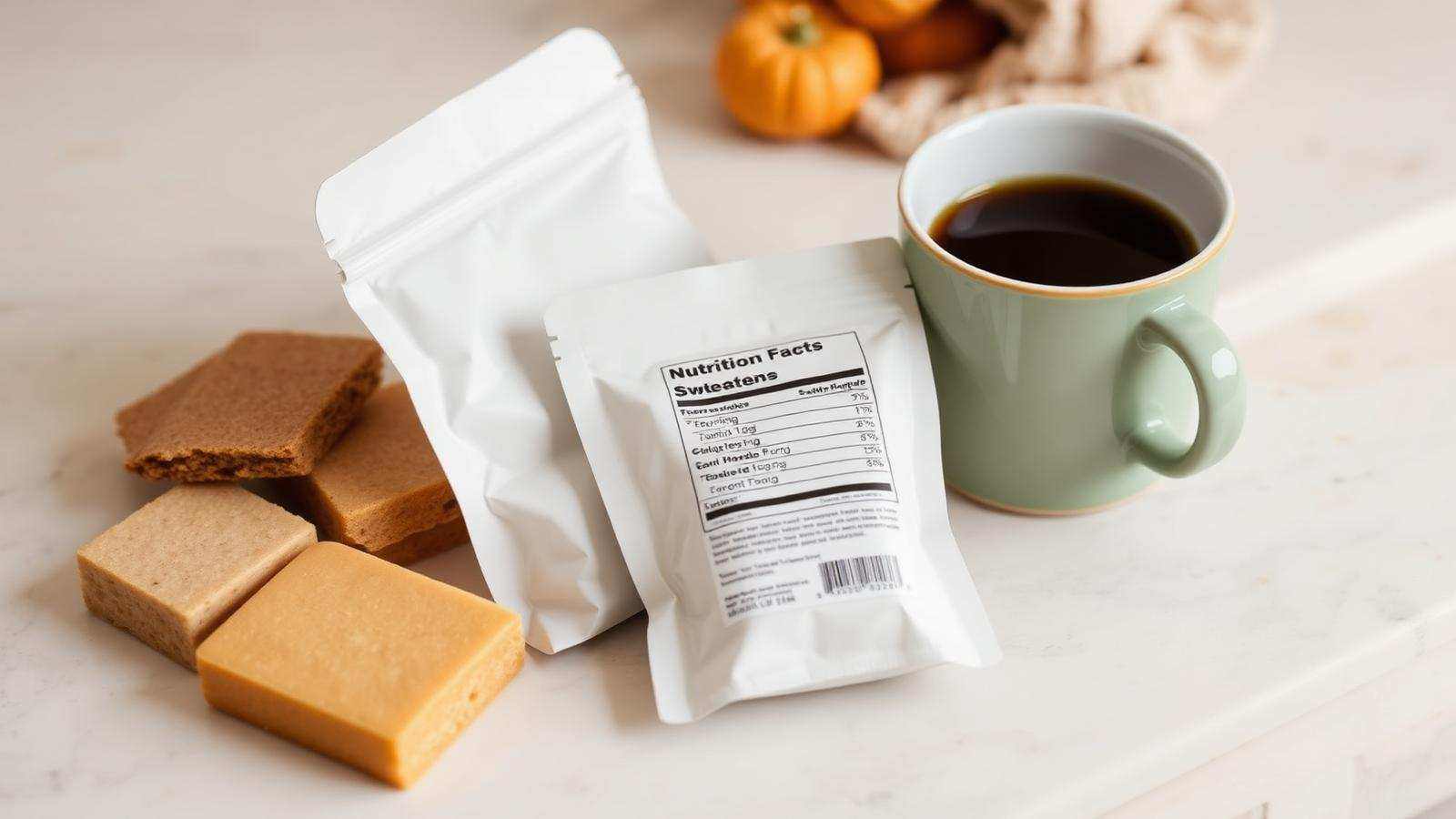
Reading a label doesn't need to be complicated, and once you know what to look for it takes only a few seconds. Here are the four numbers that matter most on keto:
- Total carbohydrates — the full carbohydrate count per serving, including sugars, starches, and fiber.
- Dietary fiber — the part of total carbohydrates that your body doesn't digest quickly. Many keto eaters subtract fiber to calculate net carbs (total carbs minus fiber).
- Total sugars — all the sugar in a serving, whether naturally occurring or added.
- Added sugars — the sugars added during processing or preparation. This is the number to watch most closely on keto.
For keto, a quick approach is to look at total carbohydrates and dietary fiber to estimate net carbs, then glance at added sugars to see how much of the total is coming from sugar that was put in during processing. A food with low added sugar and low net carbs is generally an easy fit. If added sugars are high, the food is usually best limited or swapped for a lower-sugar alternative.
Also check the ingredients list — sugar can appear under many names, including cane juice, dextrose, maltose, sucrose, agave, and syrup. If a sugar is one of the first few ingredients, the product is likely high in sugar regardless of what the front of the package says.
What About Sugar Alcohols and Low-Carb Sweeteners?
If you'd like something sweet without the carbohydrate impact of regular sugar, there are several lower-carb sweeteners that many people use on keto. These don't behave exactly like sugar in the body, and they vary in how they affect blood sugar and digestion. The most common ones include:
- Stevia — a plant-based sweetener with essentially no calories or carbs.
- Monk fruit — another natural, very-low-carb sweetener often used alone or blended.
- Erythritol — a sugar alcohol that is poorly absorbed, so it contributes very few net carbs for most people.
- Allulose — a rare sugar that tastes sweet but has minimal impact on blood sugar for most people.
These can be genuinely helpful for enjoying an occasional sweet treat without using up your carb budget. That said, products vary — some sweetener blends include other carbohydrate-containing ingredients like maltodextrin or fillers, so it's still worth checking the label. Sugar alcohols can also cause digestive discomfort in larger amounts for some people, so it's fine to start with small portions and see how you feel. The goal is to use these as occasional tools, not as a reason to add sweetness to everything.
Can You Still Have Something Sweet on Keto?
Absolutely. One of the reassuring things about keto is that you don't have to give up the experience of something sweet — you just choose lower-sugar versions and keep portions reasonable. A few practical ideas:
- Berries with unsweetened whipped cream — raspberries, strawberries, or blackberries with a dollop of fresh whipped cream feel like a genuine treat.
- Full-fat Greek yogurt with a sprinkle of cinnamon and a few berries — creamy, lightly sweet, and protein-rich.
- Small portions of low-carb desserts — there are many simple recipes made with almond flour, cream cheese, and low-carb sweeteners.
- Dark chocolate — a square or two of high-percentage dark chocolate (usually 85% or higher) can fit within a keto day depending on its carb content.
The idea is that sweetness doesn't disappear from your life on keto — it just comes from different sources and in smaller, more satisfying amounts. Over time, many people find that their palate shifts, and naturally sweet foods like berries start to taste far sweeter than they used to.
A Simpler Way to Think About Sugar After 40
As we move through our forties and beyond, it helps to step back from counting every gram of sugar and instead build a few steady habits that do most of the work. A simpler approach looks like this:
- Reduce added sugar overall — most of the benefit comes from cutting back on the obvious sources, not from chasing a perfect number.
- Prioritize protein and whole foods — meals built around protein, vegetables, and healthy fats tend to be naturally lower in added sugar.
- Build habits you can maintain — a sustainable pattern of lower-sugar eating beats a strict plan you can only follow for a few weeks.
- Let sweetness come from real food — berries, cinnamon, and a little cream can satisfy a sweet craving without much sugar.
- Read labels on packaged foods — a quick check of added sugars and total carbs keeps surprises to a minimum.
If you have diabetes, are taking glucose-lowering medication, are pregnant or breastfeeding, or have a significant medical condition, please talk with your healthcare professional before making major changes to your diet. The information here is general and educational, not medical advice, and your individual needs may call for more specific guidance.
Related reading on sweeteners and labels:
Conclusion
Sugar doesn't need to become something to fear on keto. It's simply a carbohydrate, and like any carbohydrate it counts toward your daily total. Keeping added sugar relatively low makes it easier to stay within a lower-carb eating pattern, leaves room for the carbohydrates that come from nutritious whole foods, and helps keep energy steady. At the same time, a small amount of naturally occurring sugar from berries or plain dairy isn't something to stress over. The goal isn't perfection — it's a practical, sustainable way of eating that you can keep up with, and that genuinely feels good. Keep added sugar low most days, choose whole foods, let the occasional sweet treat be a small pleasure rather than a daily habit, and let consistency carry you forward.
Want a simpler way to get started? Download the free Keto After 40 Starter Kit.
Get the Free Starter KitKeep going with Ketoach
Want ongoing keto support? Explore the Ketoach Community.
Explore Ketoach Community