Can You Eat Honey on Keto?
Honey is natural, but it’s still mostly sugar. Here’s a practical look at the carbs in honey, whether a little might fit, and the best keto-friendly swaps.
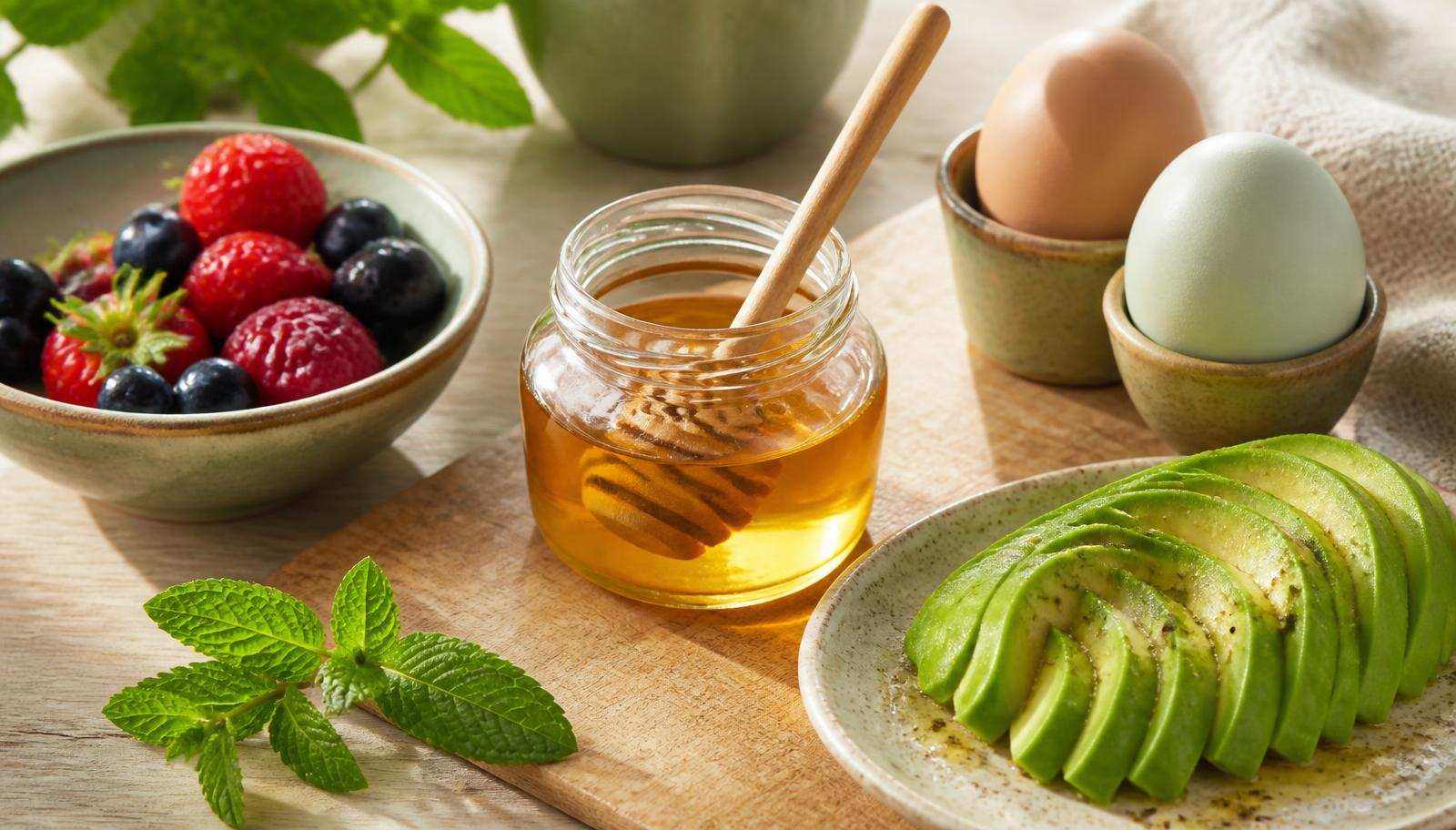
Honey comes up a lot in conversations about keto, and it’s easy to see why. It’s natural, it’s been used for thousands of years, and many people think of it as a “healthier” sweetener than table sugar. So when you start cutting back on carbs, it’s natural to wonder: can I still have honey? The honest answer is a little more nuanced than a simple yes or no. Honey can fit into some lower-carb ways of eating in very small amounts, but for most people following keto — especially in the early weeks — it usually needs to be limited or replaced. Here’s a practical, no-drama look at why, and what to use instead.
How Many Carbs Are in Honey?
Honey is made up almost entirely of carbohydrates, specifically the sugars fructose and glucose. A single tablespoon (about 21 grams) of honey contains roughly 17 grams of carbohydrates, almost all of which are sugar. For comparison, that same tablespoon has essentially no fiber, no meaningful protein, and no fat — it’s pure carbohydrate energy.
To put that in context, many people following a keto lifestyle aim for somewhere in the neighborhood of 20 to 50 grams of total carbohydrates per day, depending on their individual approach and goals. That means a single tablespoon of honey can use up a large portion — sometimes more than half — of a whole day’s carbohydrate budget. Even a teaspoon, which is a more realistic amount for sweetening tea or yogurt, still adds about 6 grams of carbs. Small amounts add up quickly, and that’s the main reason honey is usually set aside on keto rather than used freely.
Can You Have a Small Amount of Honey on Keto?
Whether a small amount of honey can fit depends on several things: your overall carbohydrate target, the serving size, your goals, and your individual approach. Keto isn’t one rigid set of rules — it’s a spectrum of lower-carb eating, and people practice it in different ways. Someone with a higher daily carb target who is maintaining their weight may find that a half-teaspoon of honey in a recipe is perfectly fine. Someone who is just starting out and keeping carbs very low to adapt to using ketones for fuel may find that even a small amount pushes them over their budget for the day.
The key is to think about honey the way you’d think about any higher-carb food: as a choice you make in the context of your whole day, not as something that’s forbidden or allowed in isolation. If honey matters to you, you can sometimes make room for a small amount by trimming carbs elsewhere — but for most people, especially in the first weeks, the simpler path is to use a keto-friendly alternative and save honey for an occasional, intentional choice later on.
Does Honey Kick You Out of Ketosis?
This is one of the most common questions, and the honest answer is: it depends, and one food doesn’t provide a universal answer for everyone. Carbohydrate tolerance varies from person to person. Someone who is well-adapted to burning fat and has a higher daily carb tolerance might handle a small amount of honey without noticeably shifting out of ketosis. Someone who is more carb-sensitive, or who is still in the early adaptation phase, may find that the same amount affects them differently.
It’s also worth remembering that ketosis isn’t an on-off switch — it’s a range. A modest amount of carbohydrate may lower your ketone levels temporarily without fully ending ketosis, especially if you’re active or eat it alongside protein and fat rather than on its own. Rather than asking “will this one food kick me out,” a more useful question is usually “how does this fit into my overall eating pattern today?” That framing is gentler, more accurate, and a lot less stressful to live with.
What About Raw Honey, Organic Honey, or Manuka Honey?
Raw honey, organic honey, and Manuka honey all have their merits. Raw honey retains more of its natural enzymes and trace nutrients because it isn’t pasteurized. Organic honey is produced without certain agricultural chemicals. Manuka honey, from the nectar of the Manuka tree, contains a compound called methylglyoxal that gives it unique properties and is often valued for that reason.
However — and this is the important part for keto — all of these are still honey. They still contain sugar and carbohydrates in essentially the same amounts as conventional honey. The sourcing, processing, and trace compounds may differ, but the carbohydrate content doesn’t. A tablespoon of raw, organic, or Manuka honey still has roughly the same 17 grams of carbs as a tablespoon of any other honey. So while you may choose a higher-quality honey for other reasons, it doesn’t change the math for a lower-carb way of eating.
Keto-Friendly Honey Alternatives
If you’re looking for something sweet that won’t use up most of your carb budget for the day, there are several lower-carb sweetener options that work well as honey substitutes. The right one for you often comes down to taste and how you plan to use it:
- Stevia — a plant-based sweetener with effectively zero carbs. It’s much sweeter than sugar, so a little goes a long way. Some people notice a slight aftertaste, especially in hot drinks.
- Monk fruit — another natural, very low-carb sweetener. It’s often blended with other ingredients to make measuring easier, and many people find its taste closer to sugar than stevia.
- Erythritol-containing blends — erythritol is a sugar alcohol that has minimal impact on blood sugar for most people. Blends often combine it with monk fruit for a more sugar-like taste and better baking behavior.
- Allulose — a rare sugar that occurs naturally in small quantities. It tastes and behaves much like sugar but contributes far fewer net carbs, making it a favorite for baking and desserts.
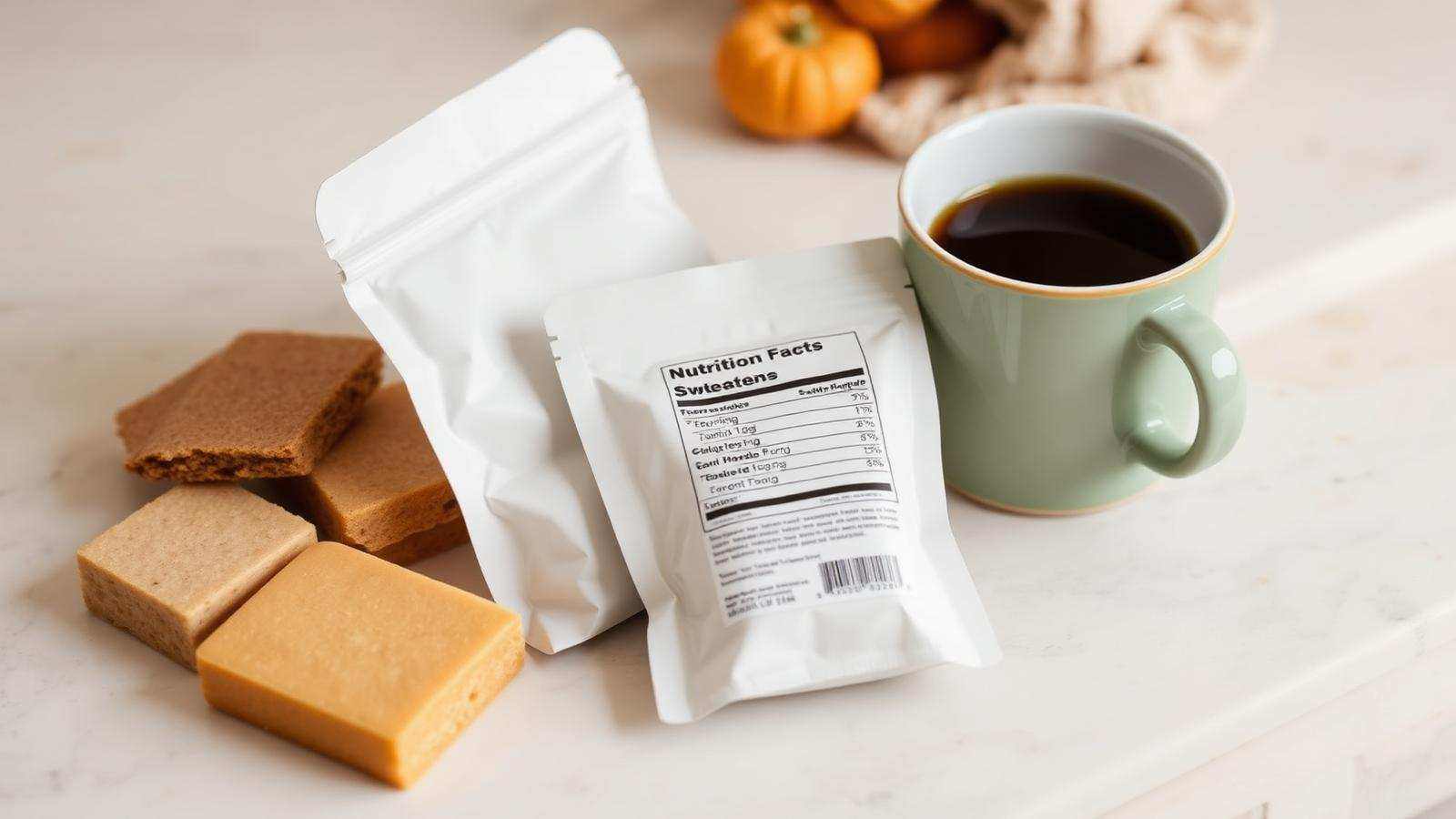
One note worth keeping in mind: people tolerate sweeteners differently, and some sugar alcohols can cause digestive discomfort in larger amounts. Always check labels for added sugars or higher-carb fillers, because some products billed as “keto” sweeteners are blended with maltodextrin or other carbs that can add up. Reading the ingredient list, not just the front of the package, is the habit that saves the most guesswork.
What Can I Use Instead of Honey in Recipes?
The good news is that in most recipes, honey can be swapped for a lower-carb alternative without losing much. Here are practical substitution ideas for common situations:
- Yogurt — sweeten plain full-fat Greek yogurt with a few drops of stevia or monk fruit, or a small handful of berries, instead of honey. You get the creamy, slightly sweet experience with a fraction of the carbs.
- Sauces and dressings — a touch of monk fruit or allulose can provide the hint of sweetness that balances the acid and salt in a vinaigrette or marinade. You often need less than you’d think.
- Baking — erythritol or allulose blends work best because they behave more like sugar under heat. For recipes that rely on honey’s moisture, you may need to add a little extra liquid or a small amount of a keto-friendly syrup.
- Drinks — a liquid stevia or monk fruit drop is the easiest swap for sweetening tea, coffee, or sparkling water. Start with a tiny amount and adjust, since concentrates are potent.
- Breakfast foods — for low-carb pancakes, oatmeal alternatives, or chia pudding, a sugar-free syrup or a sprinkle of erythritol blend gives the sweet touch honey would have provided.
A Simpler Way to Think About Sweeteners After 40
If there’s one shift worth making over time, it’s this: rather than trying to perfectly recreate the sweetness of honey or sugar with substitutes, it’s often more rewarding to gently reduce how much sweetness you expect from food in the first place. That doesn’t mean never enjoying something sweet — it means letting your palate adjust so that a bowl of berries feels genuinely sweet, and so that a lower-carb meal satisfies you without needing a sweet finish.
Focus on moderation, your overall eating pattern, and protein-first meals that keep you satisfied. When most of your meals are built around protein, vegetables, and healthy fats, the pull toward very sweet foods often softens on its own. Sweeteners can be a helpful bridge in the meantime — they let you enjoy familiar flavors while you transition — but the long-term goal isn’t finding the perfect keto copy of every high-carb food. It’s building a way of eating that feels natural and sustainable, where an occasional sweet thing is a genuine pleasure rather than a daily habit you’re managing.
If you have diabetes or use glucose-lowering medications, please discuss any significant dietary changes — including sweeteners — with your healthcare professional. The information here is educational, not medical advice, and your individual needs may call for specific guidance.
For more on sweet foods and labels:
Conclusion
Honey is a natural, traditional food with real benefits in some contexts, but it’s still high in sugar and carbohydrates. For most people following keto, that means it usually needs to be limited or replaced with a lower-carb alternative. The good news is that there are plenty of good swaps — stevia, monk fruit, erythritol blends, and allulose — and most recipes adapt to them easily. Over time, the most lasting change is often the simplest one: letting your taste for sweetness settle down so that real, whole foods taste good on their own, and reaching for something sweet becomes an occasional choice rather than a daily one.
Want a simpler way to get started? Download the free Keto After 40 Starter Kit.
Get the Free Starter KitKeep going with Ketoach
Want ongoing keto support? Explore the Ketoach Community.
Explore Ketoach Community