Foods Not to Eat on Keto: What to Limit and Choose Instead
Keto gets simpler when you know which foods tend to be highest in carbs. Here's a calm, practical list of foods to limit — and what to enjoy instead.
One of the first questions people ask when starting keto is, “What can’t I eat?” It's a fair question, but the framing matters. Keto isn't about a long list of forbidden foods or fearing certain ingredients. It's about understanding which foods are highest in carbohydrates so you can make informed choices. When you know which foods tend to push you over your daily carb target, the rest of the plan gets simpler and a lot less stressful.
The goal here isn't perfection, and it certainly isn't guilt. This guide walks through the foods that are usually limited on keto, explains why, and offers practical swaps so you never feel like you're missing out. Think of it as a friendly map, not a rulebook.
What Foods Are Usually Limited on Keto?
Keto is a lower-carbohydrate way of eating. Nutritional ketosis is a state in which the body increases its use of fat and ketones for energy; it does not mean the body only burns fat. The carbohydrate intake that supports ketosis varies from person to person, so it is more useful to consider your overall eating pattern than to treat one number as a universal rule. Foods high in sugar and starch can use up much of a person's carbohydrate budget, leaving less room for the protein, vegetables, and fats that make meals satisfying and sustainable.
That's why the foods listed below are usually limited or reduced: not because they're “bad,” but because they add up quickly and leave little room for the foods that actually support how you want to feel. Knowing where the carbs hide is half the work.
1. Sugary Drinks
Sugary drinks are one of the fastest ways to overshoot your carb budget. A single regular soda can carry 40 grams of sugar or more — often an entire day's worth of carbs in one cup. Sweet tea, fruit juice, sweetened coffee drinks, energy drinks, and lemonade all fall into the same category. Because these liquids don't fill you up the way food does, it's easy to consume a large amount of carbohydrate without noticing.
Practical swaps: sparkling water with a slice of lemon or lime, unsweetened iced tea, black coffee, or coffee with a splash of heavy cream. If you miss sweetness, a few drops of stevia or monk fruit can go a long way without adding carbs.
2. Candy and Desserts
Candy, cookies, cakes, pastries, ice cream, and most baked sweets are built around sugar and refined flour, which makes them very high in carbohydrate. A couple of small cookies can easily add up to 20 grams of carbs, and a slice of cake can double that.
You don't have to give up sweet treats entirely — there's a growing range of keto-friendly desserts made with low-carb sweeteners, and simple homemade options like berries with whipped cream can feel genuinely indulgent. The key is treating sweets as an occasional pleasure rather than an everyday staple.
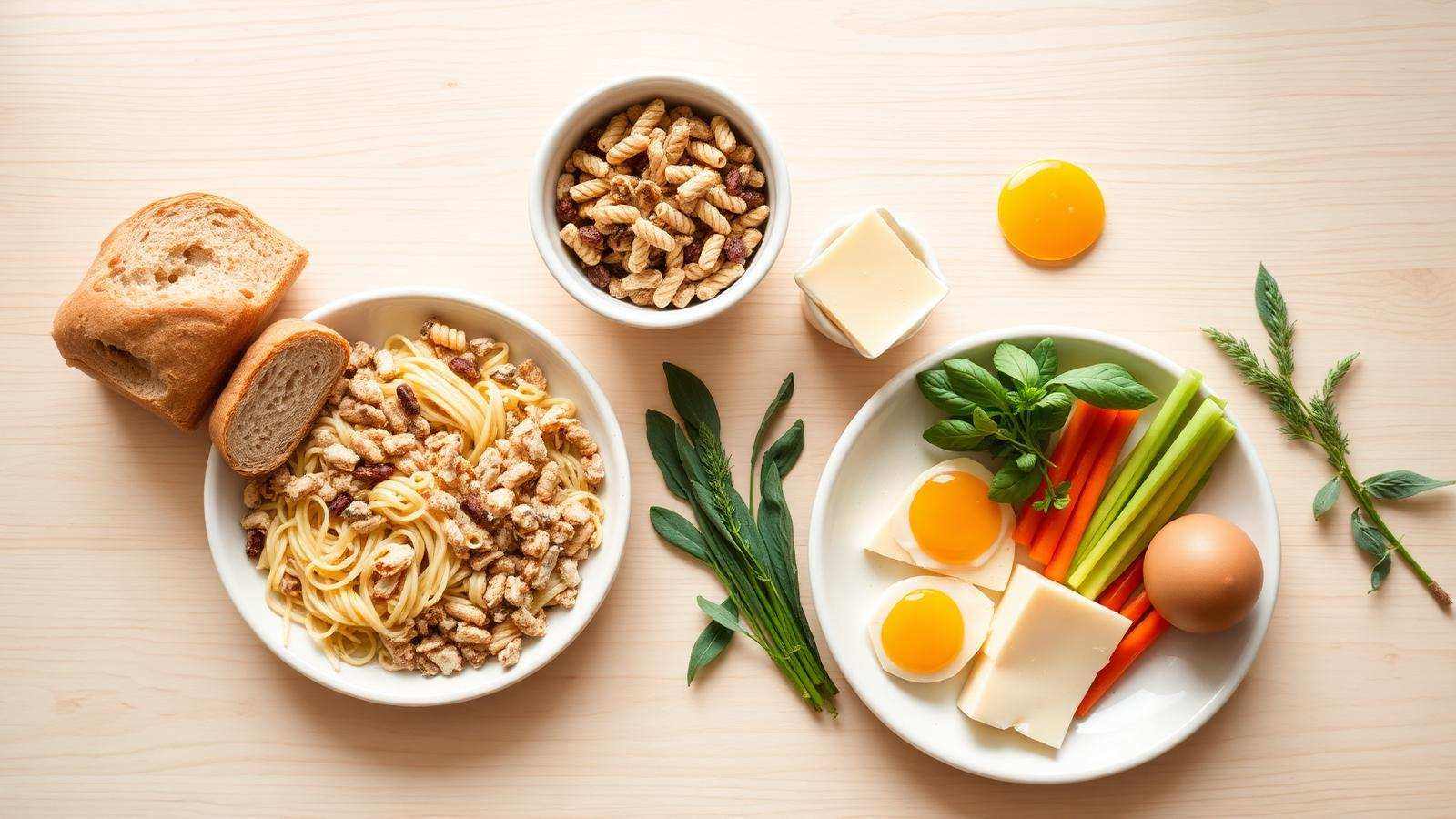
3. Bread, Pasta, Rice, and Most Grains
Traditional grain-based foods — bread, pasta, rice, tortillas, couscous, and most cereals — are dense sources of starch. A single slice of bread or a small scoop of rice can contain 15 to 30 grams of carbs, which makes fitting them into a keto day difficult without crowding out everything else.
The good news is that there are more lower-carb alternatives than ever. Lettuce wraps, cauliflower rice, zucchini noodles, and keto-friendly breads made from almond or coconut flour let you keep the formats you enjoy while staying within your carb target. You don't have to give up sandwiches or “rice bowls” — you just swap the base.
4. Potatoes and Other High-Starch Foods
Potatoes, french fries, potato chips, and other starchy root vegetables like corn and parsnips are high in carbohydrates. A medium potato can hold 30 grams of carbs on its own. These foods are filling and familiar, which is why they show up so often — but they're also one of the easiest categories to swap.
Cauliflower is a remarkably versatile stand-in: roasted, mashed, or riced, it takes on the flavors you pair it with. Radishes roasted until tender make a surprisingly good potato substitute, and turnips can fill in for stews and soups. None of this is about deprivation — it's about finding options that work for your goals.
5. High-Sugar Breakfast Foods
Many traditional breakfast foods are surprisingly high in carbohydrate. Cereal, granola, flavored instant oatmeal, pancakes, waffles, pastries, and sweetened yogurts can each carry 20 to 40 grams of carbs per serving — sometimes more. Starting the day with a high-carb meal can also leave you feeling hungry again soon after.
A protein-forward breakfast tends to be more satisfying on keto. Eggs scrambled with spinach and cheese, a slice of keto-friendly bread with avocado, or full-fat Greek yogurt with a handful of berries are all simple options that keep energy steadier through the morning.
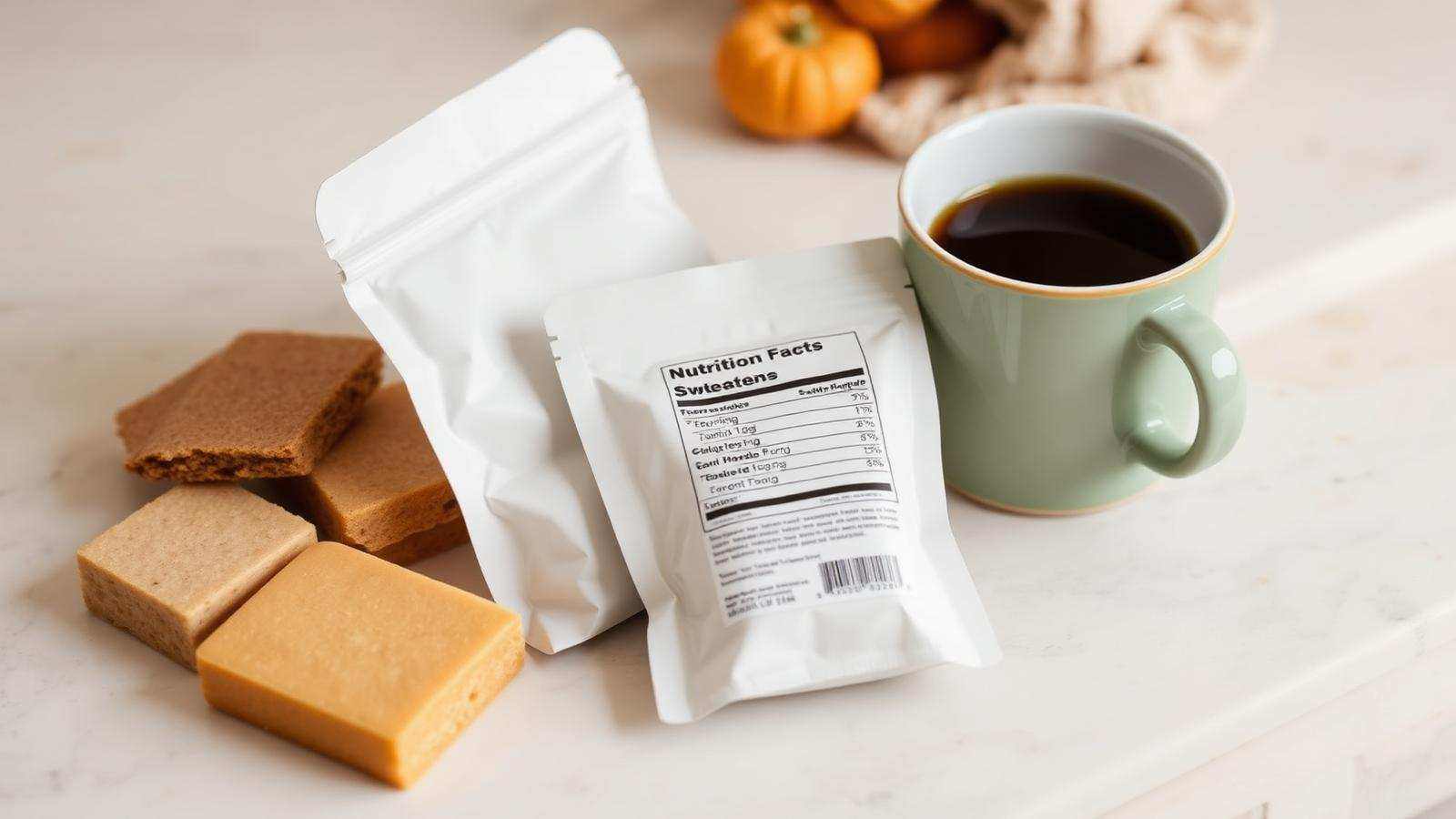
6. Many Packaged “Healthy” Snacks
This is where keto can feel tricky. Granola bars, crackers, pretzels, dried fruit, and trail mixes often look healthy but still pack a significant carb load. Dried fruit in particular concentrates the sugar, and many trail mixes include added chocolate or sweetened fruit. Even whole-grain crackers and “natural” granola bars can run 20 grams of carbs or more per serving.
Reading the nutrition label — specifically the total and net carbs per serving — is the habit that keeps these foods from sneaking past. Better snack options include a handful of nuts, cheese and cucumber slices, hard-boiled eggs, or olives. These are genuinely satisfying and naturally low in carbohydrate.
7. Some Fruits in Large Portions
Fruit is nutritious, and there's no need to fear it. But fruits vary widely in carbohydrate content. Larger servings of bananas, grapes, mango, pineapple, and cherries can add up quickly — a single medium banana has around 25 grams of carbs. That doesn't make these foods off-limits, but it does mean they're harder to fit into a tight daily carb budget.
Berries are usually the easiest fruit to enjoy on keto. A half-cup of raspberries, strawberries, or blackberries contains roughly 3 to 6 grams of net carbs, which means you can enjoy them regularly without much planning. They're also rich in fiber and antioxidants, making them a genuinely good choice rather than just a compromise.
8. Sweet Sauces and Condiments
Sauces and condiments are easy to overlook, but many of them carry hidden sugar. Ketchup, barbecue sauce, teriyaki sauce, honey mustard, sweet salad dressings, and many marinades can add several grams of carbs per tablespoon — and most of us use more than a tablespoon. Over the course of a meal, that can quietly add up.
Simple swaps keep flavor without the carbs. Mustard, mayonnaise, hot sauce, salsa, olive oil and vinegar, and full-fat dressings without added sugar are all naturally low in carbohydrate. For a sweet-and-savory flavor, a little monk fruit or a sugar-free version of your favorite sauce can work well.
9. Beer and Sugary Alcoholic Drinks
From a purely educational standpoint, alcohol contains calories and some drinks carry significant carbohydrate. Beer, sweet cocktails, and liqueurs tend to be the highest in carbs — a regular beer can contain 10 to 15 grams. Wine is generally lower, and clear spirits like vodka, gin, and tequila mixed with soda water contain minimal carbs. This isn't encouragement to drink; it's simply worth knowing where the carbohydrate hides if alcohol is part of your life.
Alcoholic drinks can add carbohydrates and calories, and drinking may make planned food choices harder for some people. If you choose to drink, check the carbohydrate content, keep the amount moderate, and consider how it fits within your overall eating plan and personal circumstances.
Foods You Don't Necessarily Have to Avoid Completely
It's worth repeating: keto does not need to become an all-or-nothing food list. Portion size and your overall carbohydrate intake matter more than any single food. A few berries, a small portion of a higher-carb vegetable, or an occasional taste of something starchy can often fit within a day's budget — especially once you're comfortable with the plan and know how your body responds.
The point of this list is to help you see where carbs concentrate, not to make you anxious about every bite. If most of your meals are built around protein, non-starchy vegetables, and healthy fats, you'll naturally have some flexibility for the foods you enjoy most. Consistency over time matters far more than a single meal.
What to Eat Instead
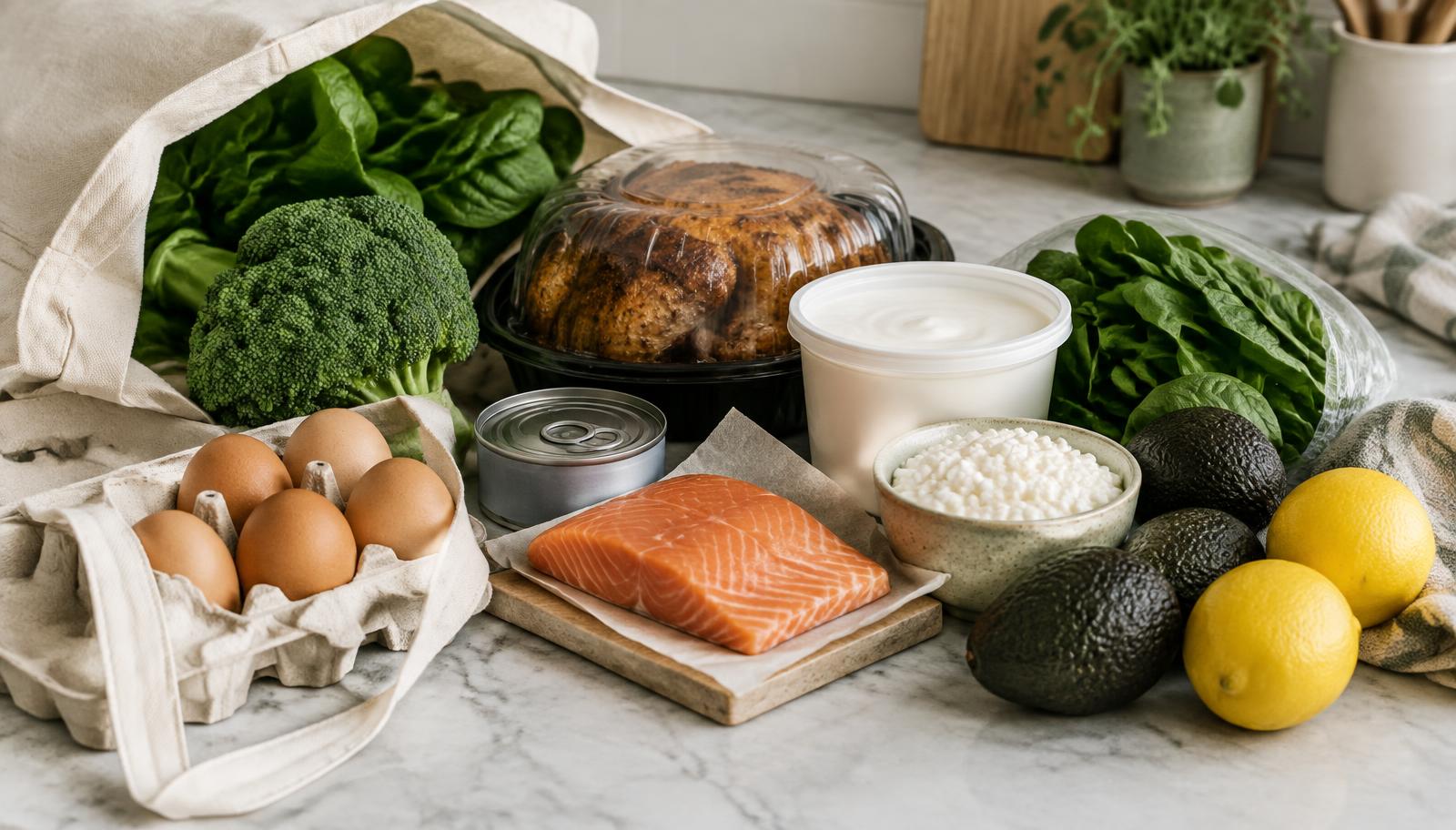
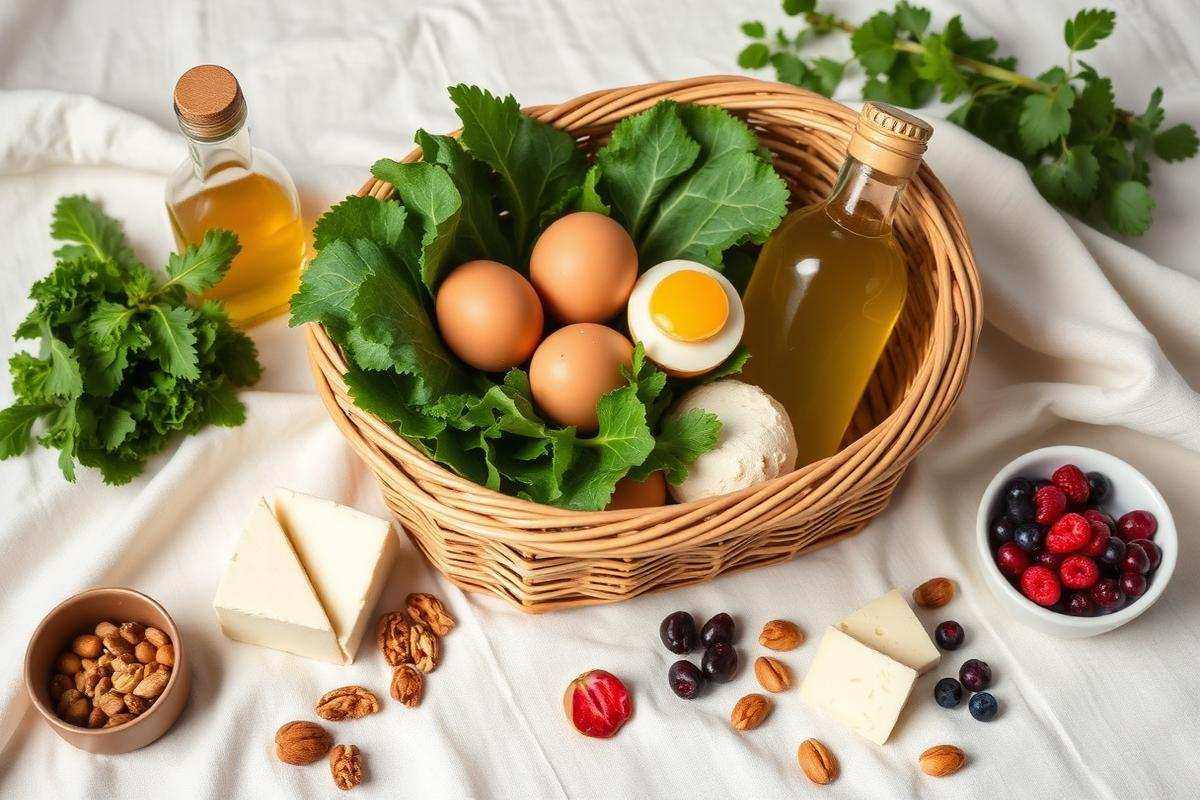
Rather than focusing only on what to limit, it helps to know what to fill your plate with. These simple, whole-food options form the foundation of a satisfying keto way of eating:
- Eggs — versatile, affordable, and naturally low in carb; a reliable base for any meal.
- Meat, poultry, and fish — protein-rich staples that anchor most keto plates.
- Lower-carb vegetables — leafy greens, broccoli, cauliflower, zucchini, and peppers provide volume, fiber, and nutrients.
- Avocado — creamy, satisfying, and packed with healthy fat and fiber.
- Cheese and unsweetened dairy where appropriate — full-fat cheese, butter, and plain Greek yogurt add flavor and richness.
- Berries — the easiest fruit to enjoy regularly on keto, rich in fiber and antioxidants.
- Nuts and seeds — almonds, walnuts, pecans, chia, and flax make easy snacks and toppings.
- Olive oil and other simple fats — olive oil, avocado oil, and coconut oil support cooking and satiety.
- Lower-carb wraps, breads, or substitutes when useful — let you keep the formats you enjoy without the carb load.
A Simpler Approach to Keto After 40
If you're a woman over 40, the most sustainable approach tends to be the simplest one. Rather than tracking every gram or stressing over each meal, focus on a few steady habits:
- Protein first — building meals around protein helps preserve muscle, keeps you satisfied, and makes the rest of the plate fall into place.
- Simple whole foods — the less processed, the easier it is to stay on plan and feel good.
- Reducing sugar and refined starches — this single shift does most of the work of lowering carbs.
- Hydration — water and electrolytes (especially in the early weeks) help you feel steady and clear-headed.
- Realistic meals — choose foods you genuinely enjoy and can prepare without stress.
- Consistency instead of perfection — steady, repeatable habits matter far more than any single day.
If you have diabetes, take glucose-lowering medication, are pregnant or breastfeeding, or live with a significant medical condition, please discuss any major dietary change with your healthcare professional before you begin. The information here is educational, not medical advice, and your individual needs may call for specific guidance.
For a broader reference of what fits, and a simple first shopping list:
Conclusion
Keto gets easier when you know which foods tend to be highest in carbs — sugary drinks, sweets, grains, starchy sides, high-sugar breakfasts, packaged “healthy” snacks, large portions of sweeter fruits, sweet sauces, and certain alcoholic drinks. But long-term success doesn't come from memorizing a list of foods to fear. It comes from building a practical, satisfying eating pattern around protein, vegetables, and healthy fats — one that you can actually keep up with. Limit the foods that crowd out your goals, fill your plate with whole, simple options, and let consistency — not perfection — be what carries you forward.
Want a simpler way to get started? Download the free Keto After 40 Starter Kit.
Get the Free Starter KitKeep going with Ketoach
Want ongoing keto support? Explore the Ketoach Community.
Explore Ketoach Community