
How Do I Start Keto Cycling? A Simple Beginner Guide
Keto cycling alternates lower-carb days with planned higher-carb ones. Here’s a calm, practical way to think about it before you try.
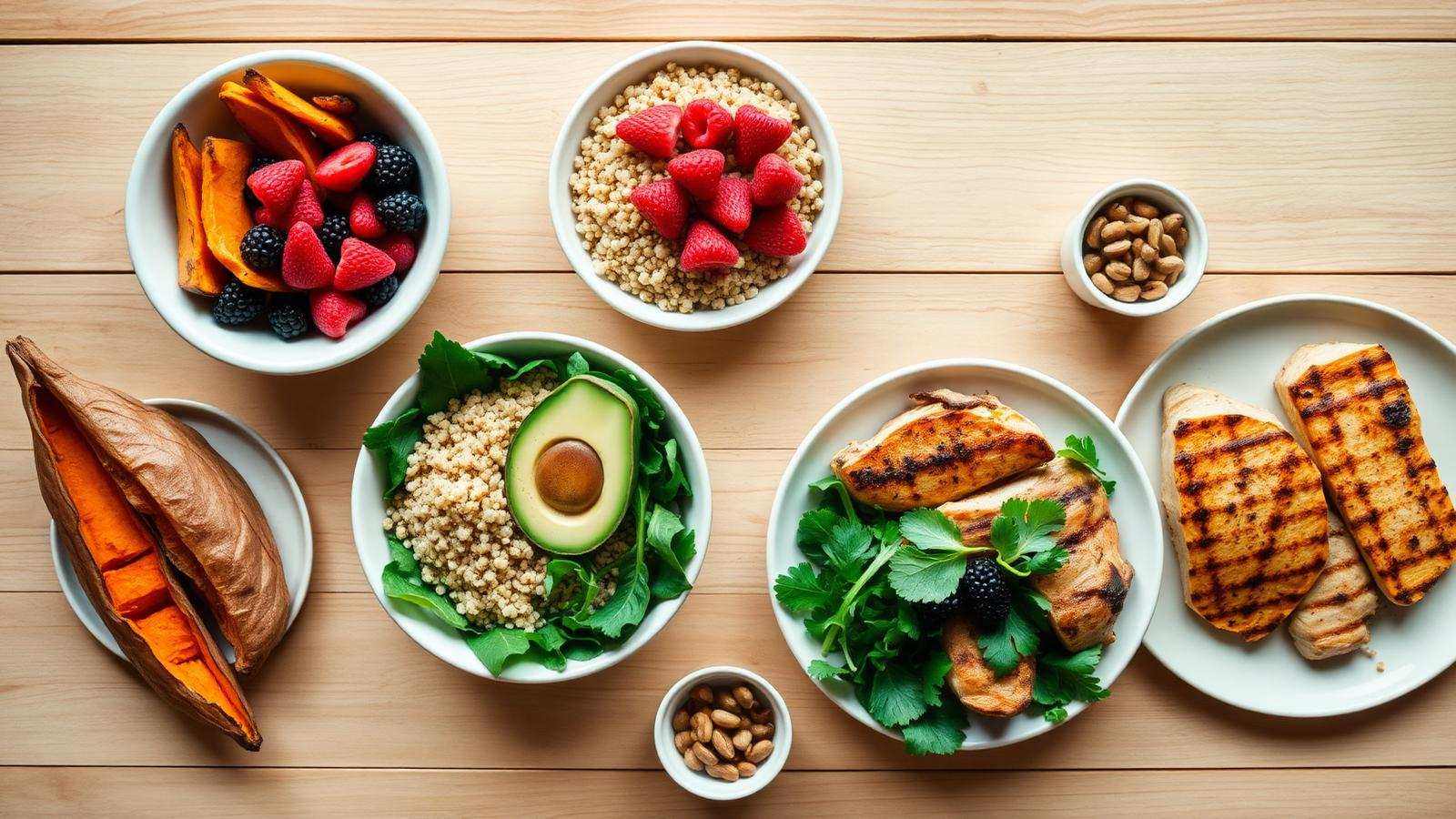
Some people find that staying very low-carb every single day works well for them. Others prefer a more flexible lower-carb approach — one that includes planned days with a bit more carbohydrate. That idea is often called keto cycling, and it generally means alternating lower-carb, keto-style days with planned higher-carb days. This guide explains what keto cycling is, why some people try it, how to approach it as a beginner, and when it may not be the right fit.
Before going further, one honest note: research on keto cycling and cyclical ketogenic approaches is limited, especially for women over 40. Keto cycling is optional, not necessary for a successful lower-carb lifestyle, and it is not a proven solution for metabolism, hormones, menopause symptoms, or weight loss. If you're new to lower-carb eating, it's usually best to get comfortable with the basics first and only consider cycling if it genuinely helps your life feel easier and more sustainable.
What Is Keto Cycling?
Keto cycling is not one standardized method. Different people use it in different ways, with different schedules and different carb levels. There's no official definition and no single correct way to do it.
In general, though, keto cycling involves eating a lower-carb, keto-style diet most of the time and then intentionally including more carbohydrate on planned days. Some people might do this a couple of times a week; others might do it once a week or only on special occasions. The carb level on the higher-carb days can also vary a lot — some people add a modest amount of whole-food carbs, while others include more.
What makes it different from traditional continuous keto is the planned variation. With continuous keto, the aim is to keep carbohydrate intake low and steady day after day. With keto cycling, the aim is to intentionally shift between lower-carb and higher-carb days in a way that feels workable for the person doing it.
Why Do Some People Try Keto Cycling?
There's no single reason people explore keto cycling, and the reasons often have more to do with lifestyle than with biology. A few common motivations include:
- Wanting more flexibility — a planned higher-carb day can make a lower-carb lifestyle feel less rigid.
- Fitting in social meals — holidays, family dinners, and celebrations are often easier when there's room for a little more carbohydrate.
- Supporting certain workouts — some people feel they train better with a bit more carbohydrate around harder sessions.
- Making lower-carb eating feel more sustainable over the long run — for some, a little planned flexibility helps them stick with it.
It's worth being clear: keto cycling is not a magic switch for weight loss or health. The overall pattern — the quality of your food, your protein intake, your sleep, your movement, and your consistency — matters far more than whether you cycle carbs. Cycling is simply one way some people arrange their eating to fit their life.
Is Keto Cycling the Same as a Cheat Day?
Not really, and the difference matters. A cheat day usually means an anything-goes approach — eating whatever you want, in whatever amount, without much thought. It tends to come with an all-or-nothing mindset that can leave people feeling sluggish, guilty, or off-track.
A planned higher-carb day, in contrast, is intentional. You choose the foods, you choose the timing, and you keep the rest of your meals balanced. The goal isn't to undo a week of effort; it's to include some carbohydrate on purpose, in a way that still supports how you want to feel. Intentional food choices tend to work better than an all-or-nothing mindset, both for how you feel day to day and for how sustainable your approach is over time.
Who Might Want to Avoid Keto Cycling?
Keto cycling isn't right for everyone, and for some people it's worth being cautious. Consider talking with a healthcare professional before trying major dietary changes if any of the following apply to you:
- You have diabetes or are using glucose-lowering medication — changing carb intake can affect blood sugar and medication needs.
- You are pregnant or breastfeeding — nutrition needs are different during these times, and individualized guidance is important.
- You have a history of disordered eating — patterns of restricting and then eating more can be uncomfortable or unhelpful for some people.
- You have a significant medical condition — kidney, liver, heart, or digestive conditions may change what eating pattern is appropriate for you.
Even if none of those apply, it's always reasonable to check in with a healthcare professional before making a big change to how you eat, especially if you're over 40 or managing any ongoing health concern.
How to Start Keto Cycling
If you're curious about keto cycling, the simplest approach is to ease in gently rather than overhauling everything at once. The framework below is non-prescriptive — it's a starting point, not a set of rules. Adjust it to fit your life, your preferences, and how you feel.
Step 1: Get Comfortable With Lower-Carb Eating First
Before adding planned higher-carb days, it helps to feel settled with simple lower-carb meals and routines. Spend a few weeks getting used to protein-forward meals, vegetables, healthy fats, and the rhythm of eating this way. When the basics feel easy and natural, it's much simpler to add a bit of planned flexibility without losing your footing.
Step 2: Choose a Simple Schedule
There's no one correct schedule for keto cycling. Some people keep mostly lower-carb days and add an occasional planned higher-carb day — perhaps once a week, or only on a day that makes sense socially. Others might use a different rhythm entirely. The goal is to choose something simple and workable, not to follow a complicated formula. If a schedule feels stressful to keep up with, it's probably too complex.
Step 3: Choose Better Higher-Carb Foods
On a planned higher-carb day, the foods you choose still matter. Rather than turning the day into a high-sugar free-for-all, aim for minimally processed carbohydrate sources such as:
- Sweet potatoes
- Oats
- Beans
- Fruit
- Quinoa
- Brown rice
- Other minimally processed carbohydrate sources
These foods bring carbohydrates along with fiber, vitamins, and other nutrients. The point isn't to eat as much carbohydrate as possible; it's to include a moderate amount of whole-food carbohydrate in a way that still feels balanced.
Step 4: Keep Protein Consistent
Protein should remain a priority on both lower-carb and higher-carb days, and this is especially important for adults over 40. Protein supports muscle, satiety, and overall health, and it's the part of your meals that helps you feel steady and satisfied regardless of the carbohydrate level. A simple habit: make sure each meal includes a solid source of protein, whether that's eggs, fish, poultry, meat, dairy, or plant-based options. Keeping protein consistent is one of the easiest ways to make a flexible approach feel stable.
Step 5: Pay Attention to How You Feel
The most useful feedback isn't a ketone number or a carb count — it's how you actually feel. As you try keto cycling, notice things like:
- Hunger and fullness — do you feel more or less satisfied on different days?
- Energy — does your energy feel steady, or do you notice highs and crashes?
- Cravings — do planned higher-carb days help or stir up more cravings?
- Digestion — how does your body respond to different foods?
- Workout performance — do you notice a difference in how you move or recover?
- Sustainability — does the approach feel easy to maintain, or like a chore?
Your own experience is better evidence than any general rule. If the pattern is helping you feel good and stay consistent, that's useful information. If it's making things harder, that's useful too — and a sign to simplify.
What Should a Higher-Carb Day Look Like?
A planned higher-carb day doesn't need a rigid carb target. The idea is simply to add moderate amounts of whole-food carbohydrate while still eating protein, vegetables, and balanced meals. Here's one simple example of what that might look like:
- Breakfast: Eggs with vegetables and a side of fresh fruit, plus a small bowl of oatmeal if you'd like more carbohydrate.
- Lunch: Grilled chicken over a large salad with roasted sweet potato wedges.
- Dinner: A piece of fish with quinoa and roasted vegetables.
- Snacks: A handful of nuts, plain yogurt with berries, or an apple with cheese.
Notice that this day still includes protein at every meal and plenty of vegetables — the carbohydrate is simply a bit higher and comes from whole foods. It's a thoughtful day, not a free-for-all.
What Should Lower-Carb Days Look Like?
Lower-carb days are the foundation of keto cycling, and they're built around simple, satisfying whole foods. A typical lower-carb day might include:
- Eggs — scrambled, boiled, or made into a simple frittata with vegetables.
- Meat, poultry, or fish — salmon, chicken thighs, ground beef, or steak.
- Lower-carb vegetables — leafy greens, zucchini, cauliflower, broccoli, and peppers.
- Avocado — a satisfying source of fat and fiber.
- Unsweetened dairy where appropriate — plain Greek yogurt, cheese, or cottage cheese.
- Nuts and seeds — almonds, walnuts, chia seeds, or pumpkin seeds.
- Simple fats — olive oil, butter, or coconut oil used in cooking.
The goal on these days is steady, satisfying meals that keep you comfortable without needing to count every gram. If you're hungry, eat a bit more protein or vegetables. If you're satisfied, trust that.
Keto Cycling and Exercise
Some people experiment with eating more carbohydrate on demanding training days, but this is a personal strategy rather than a universal prescription. Whether it is useful depends on the type, intensity, and frequency of activity, along with the person's overall eating pattern and response.
Special carb timing is not necessary for most everyday movement, including walking and light strength work. If you're a beginner — to exercise, to lower-carb eating, or both — keep it simple and only adjust your eating around exercise if you notice a clear reason to or receive individualized guidance.
Common Keto Cycling Mistakes
Keto cycling is meant to simplify life, not complicate it. A few common mistakes can make it harder than it needs to be:
- Treating higher-carb days as binge days — unplanned, unrestricted eating tends to undo the benefits of a thoughtful approach.
- Changing the plan too frequently — constantly switching schedules makes it hard to learn how a pattern actually feels.
- Forgetting protein — letting protein slip on higher-carb days can leave you less satisfied and less steady.
- Relying heavily on processed foods — higher-carb days built around sweets and packaged snacks don't support how you want to feel.
- Expecting instant results — sustainable changes take time, and cycling isn't a shortcut.
- Making the approach unnecessarily complicated — if your plan requires a spreadsheet to follow, it's probably too complex.
Is Keto Cycling Better Than Regular Keto?
There's no single approach that's best for everyone. For some people, steady keto works well and feels simple. For others, a bit of planned flexibility makes a lower-carb lifestyle easier to maintain. Neither is inherently superior — what matters is whether the pattern you choose is nutritionally sound, practical for your life, and sustainable for you over time.
If you're not sure which fits you, a reasonable approach is to start with steady lower-carb eating, get comfortable, and only add cycling if you find that a little planned flexibility genuinely helps. There's no need to cycle just because it's an option.
A Simpler Approach After 40
At Ketoach, we believe that a healthy lower-carb lifestyle doesn't need to be complicated — and that's especially true after 40. The principles that tend to matter most are simple ones:
- Protein first — make protein a steady part of every meal.
- Whole foods most of the time — choose foods that are close to how they grow.
- Realistic meal planning — keep meals simple enough to actually make.
- Movement — walk, lift something a little heavier now and then, and stay active in ways you enjoy.
- Sleep — protect rest, because it affects everything else.
- Consistency — small steady choices matter more than perfect days.
- Flexibility without perfection — a little room to bend makes the whole thing more sustainable.
An educational note: keto cycling is not appropriate for everyone. If you have diabetes, a medical condition, medication concerns, are pregnant or breastfeeding, or have a history of disordered eating, please seek personalized professional guidance before trying it. The information in this article is general and educational, not medical advice.
If you're still building your everyday keto routine, these are simpler places to start:
Conclusion
Keto cycling can be one flexible lower-carb strategy among several. It means alternating lower-carb, keto-style days with planned higher-carb days built around whole foods — and it can make a lower-carb lifestyle feel more workable for some people. But it doesn't need to be complicated, and it's not required for success. If you're curious, ease in gently, keep protein consistent, choose whole-food carbohydrates on higher-carb days, and pay attention to how you feel. If it helps, keep it. If it doesn't, simplify. The best approach is the one you can sustain — and that looks a little different for everyone.
Want a simpler way to get started? Download the free Keto After 40 Starter Kit.
Get the Free Starter KitKeep going with Ketoach
Want ongoing keto support? Explore the Ketoach Community.
Explore Ketoach Community