High-Protein Keto Diet: What It Is, Benefits, and How to Do It Right
What Is a High-Protein Keto Diet?
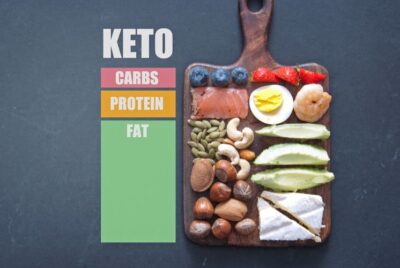
The high-protein ketogenic diet is a variation of standard keto. It maintains low carbs (typically 5–10% of your daily calories), but increases protein intake while reducing fat slightly. The general macronutrient breakdown looks like this:
Carbohydrates: 5–10%
Protein: 30–35%
Fat: 55–60%
Why the Protein Keto Diet Matters
The protein keto diet matters because it can help you accomplish multiple fitness goals at the same time. Losing weight? Check. Preserving muscle mass? Check. Improving mental function? Another big check! The dietary approach is all about giving you a more balanced eating plan to help you feel great while you shed those extra pounds.
Protein’s Role in Keto Diet
Protein is the building block of muscles and is vital for many bodily functions. In the protein keto diet, increasing your protein intake can help you maintain muscle mass while you lose weight. So, instead of just burning fat, you’re also preserving your muscle tone. It’s a win-win, or as I like to say, the perfect marriage of goals!
Benefits of a Protein Keto Diet
- Improved Muscle Maintenance: Higher protein intake helps preserve lean muscle, especially during weight loss or strength training.
- Greater Satiety: Protein is the most filling macronutrient, helping reduce cravings and snacking.
- Faster Fat Loss (for some): With more protein and still low carbs, your body can burn fat efficiently while feeling full.
- Better Blood Sugar Control: Low-carb, protein meals help regulate glucose and insulin levels.
How Does the High-Protein Keto Work?
The high-protein keto diet works by combining the fat-burning benefits of traditional keto with the muscle-supporting power of a higher protein intake. While still keeping carbs very low (typically under 10% of daily calories), this version of keto increases protein to about 30–35% and reduces fat to around 55–60%.
Here’s how it functions:
1. Promotes Ketosis with a Protein Boost
Like standard keto, the high-protein version keeps carbs low enough to trigger ketosis, the state where your body burns fat for energy instead of glucose. Despite the higher protein intake, most people can maintain ketosis as long as carbs remain limited.
2. Supports Muscle Maintenance and Recovery
The added protein provides essential amino acids to preserve muscle mass, support recovery, and enhance strength—especially important if you’re exercising regularly or losing weight.
3. Increases Satiety and Reduces Cravings
Protein is the most filling macronutrient. A high-protein keto diet helps reduce hunger and cravings, making it easier to stick to your plan and avoid snacking or overeating.
4. Enhances Fat Loss and Metabolic Efficiency
More protein means a higher thermic effect of food (TEF)—your body burns more calories digesting protein than it does fats or carbs. Combined with low carb intake, this promotes a more efficient fat-burning environment.
What to Eat on a Protein Keto Diet
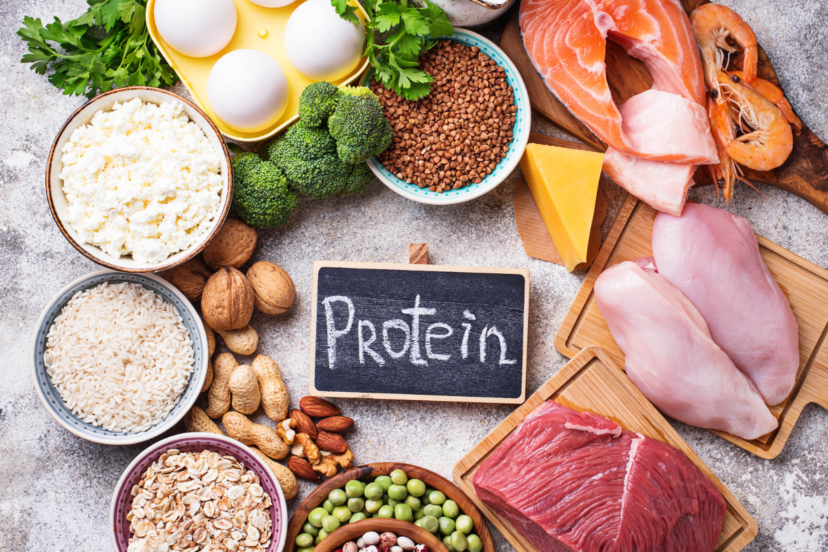
Focus on leaner protein sources, while still getting in some healthy fats:
Proteins:
- Eggs
- Chicken breast and thighs
- Ground turkey
- Grass-fed beef
- Salmon, tuna, and sardines
- Protein shakes (unsweetened, low-carb)
Fats (in moderation):
- Olive oil
- Avocado
- Butter or ghee
- Coconut oil
- Nuts and seeds
Low-carb veggies:
- Broccoli, zucchini, cauliflower
- Spinach, kale, asparagus
How to Get Started
1. Meal Planning: Starting any diet can be daunting, but planning is key. Focus on high-fat, moderate-protein, and low-carb foods like meats, fatty fish, low-carb veggies, and healthy fats. Compile a list of your favorite keto-friendly foods and plan out your meals in advance to make it easier on yourself.
Having reusable keto meal prep containers can also save time and keep your portions in check. And if you’re often on the go, a compact lunch bag with ice packs makes bringing your prepped meals with you effortless.
2. Grocery List Essentials
When you hit the grocery store, concentrate on lean meats, fish, eggs, leafy greens, low-carb vegetables, nuts, and seeds. Dairy products like cheese and Greek yogurt can also be included but in moderation due to their carb content.
3. Exercise Recommendations
Exercise is also vital when following the protein keto diet. While cardio is excellent for fat-burning, strength training can help you preserve and build muscle mass. Combining both types of exercise is ideal for maximum benefit.
Potential Side Effects
Like any diet, the protein keto diet has potential side effects, such as bad breath and constipation. You might also experience the ‘keto flu,’ which is a temporary state of fatigue and irritability. Drinking plenty of water can help alleviate these issues.
Who Should Avoid the Diet
Certain individuals, particularly those with liver or kidney issues, should avoid this diet or consult a healthcare provider first. A doctor’s guidance is essential to determine if this diet is appropriate for your specific health conditions.
My Personal Experience
I tried the protein keto diet myself and was astonished by the benefits. Not only did I lose weight, but I also maintained my muscle mass and found my mental clarity improved significantly. It’s been a life-changing experience that has empowered me to live a healthier, more active lifestyle.
Conclusion
In the grand scheme of things, the protein keto diet isn’t just another fad; it’s a practical and balanced lifestyle change. With the proper planning and dedication, it offers a comprehensive approach to health that includes weight loss, muscle maintenance, and mental clarity. So why wait? Dive in, and let the transformative power of the protein keto diet work its magic.
FAQ’s
What’s the difference between a keto diet and a protein keto diet? The protein keto diet places more emphasis on protein to help maintain muscle mass.
Is it hard to maintain a protein keto diet? It may require some adjustment initially, but once you get the hang of it, it becomes second nature.
Are there any side effects? Some common side effects include bad breath and constipation, which can be managed by staying hydrated. For bad breath, breath fresheners or sugar-free mints can be useful to keep on hand. You might also try fiber-rich keto snacks like chia pudding or flaxseed crackers to keep things moving.
Is it safe for everyone? If you have pre-existing liver or kidney conditions, consult your healthcare provider before starting this diet.
Who should try a protein keto diet? The protein keto approach is great for people who:
- Are physically active or strength training
- Want to reduce body fat while keeping muscle
- Struggle with hunger or keto brain fog on classic keto
- Are experimenting with keto 2.0 or metabolic flexibility